Cultural history Chełmno region, Lower Vistula Valley, Poland
Chełmno’s Folklore Map Gives the Polish Werewolf a Place
A Lower Vistula folklore map pairs the wilkołak with vampires and household spirits, following ethnographic records back to particular Polish villages.
Sign in to save stories to your shelf.
The werewolf has neighbors on this map. One is a vampire. Another looks after the household.
In a January 1, 2026 report for Polish Radio PiK, ethnologist Natalia Zacharek described the Etnomapa Doliny Dolnej Wisły, a folklore map of the Lower Vistula Valley. It brings together ten figures from the Chełmno region’s traditions, including the wilkołak, or werewolf; the vampire-like wieszczy; and the protective household spirit domowik.
The project belongs to the Chełmno Academy of Tradition. Zacharek explained that its places were selected where ethnographic material could be found, naming villages including Kijewo Królewskie and Kiełp. The broadcaster presented the map as an educational and tourism project.
That gives the werewolf a different kind of address. A folklore map can connect a story to where it was collected or remembered, without claiming a creature was recently seen there. A village name is a route into a tradition, rather than a set of coordinates for chasing an animal.
The company matters too. Put the wilkołak beside a household guardian and a local vampire, and the region’s imagination becomes more varied than a single monster category. Fear, protection and the ordinary business of living share the same landscape.
The radio report supplies no new werewolf encounter. It describes people recovering the names and places that kept older beliefs alive. The most useful thing a monster map can preserve may be that relationship: a strange name, a particular village, and a reason somebody remembered it.
Source
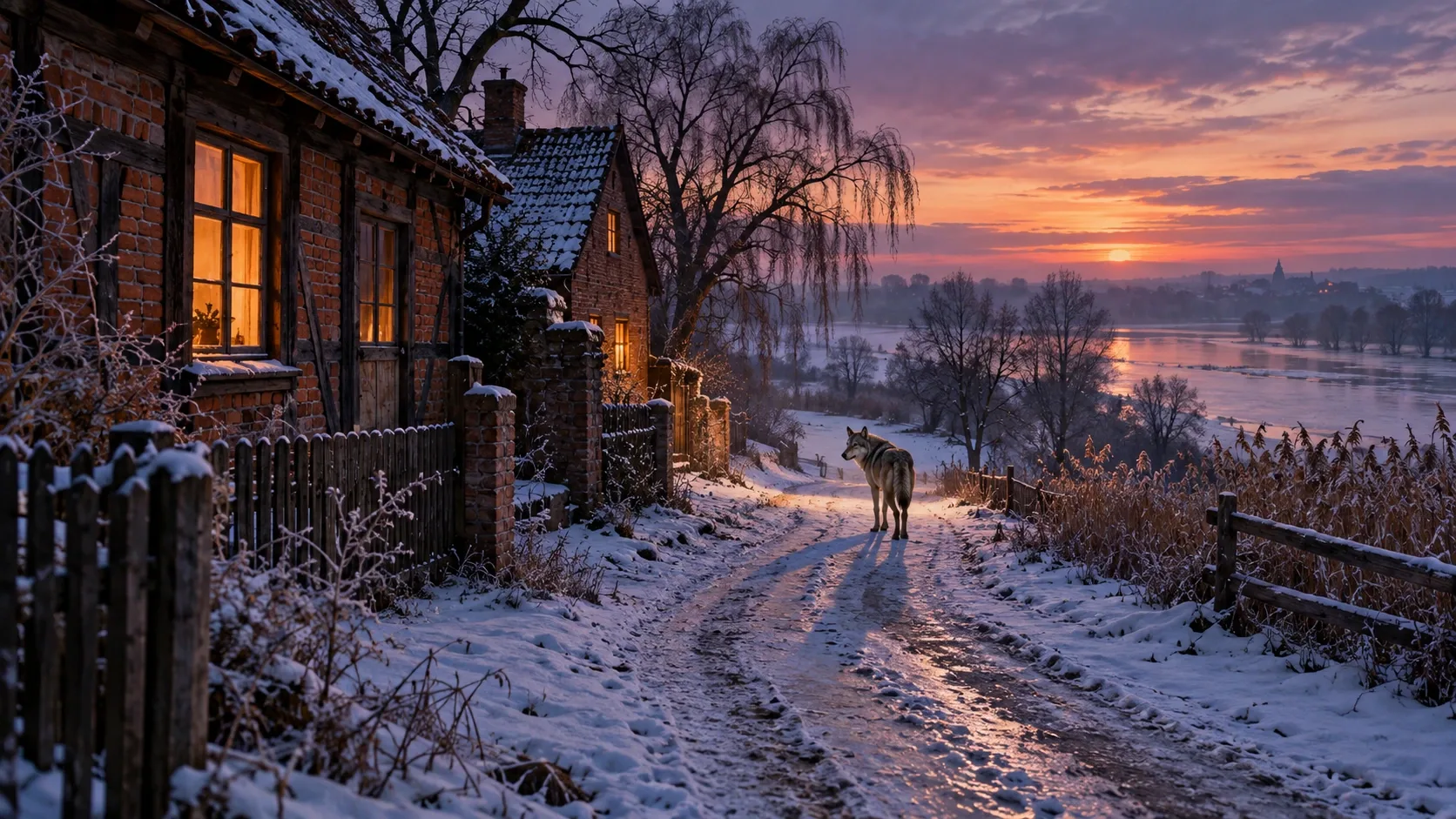
Original folklore illustration; not a field sighting or a reproduction of the ethnographic map.