Science review Sandia National Laboratories / University of New Mexico, Albuquerque, New Mexico (research origin)
Sandia’s “Zombie Cells”: 2013 Silica Replicas, Not Undead Lab Pets (2026)
Dated archive of Sandia/UNM silica “zombie cell” research (PNAS era ~2013)—materials replicas, not pathogens. Entertainment + grain of salt.

Sign in to save stories to your shelf.
You know the movie beat: earnest lab coats, noble intentions, then something shambles out of Building B.
On March 1, 2016, Monstrum Athenaeum leaned into that riff hard — “scientists make zombie cells,” cue the popcorn apocalypse. The page is a historical predecessor. This 2026 rewrite keeps the sensational spice and stamps the calendar: the underlying work was materials science, not a recipe for the living dead.
What the labs actually announced (date stamp first)
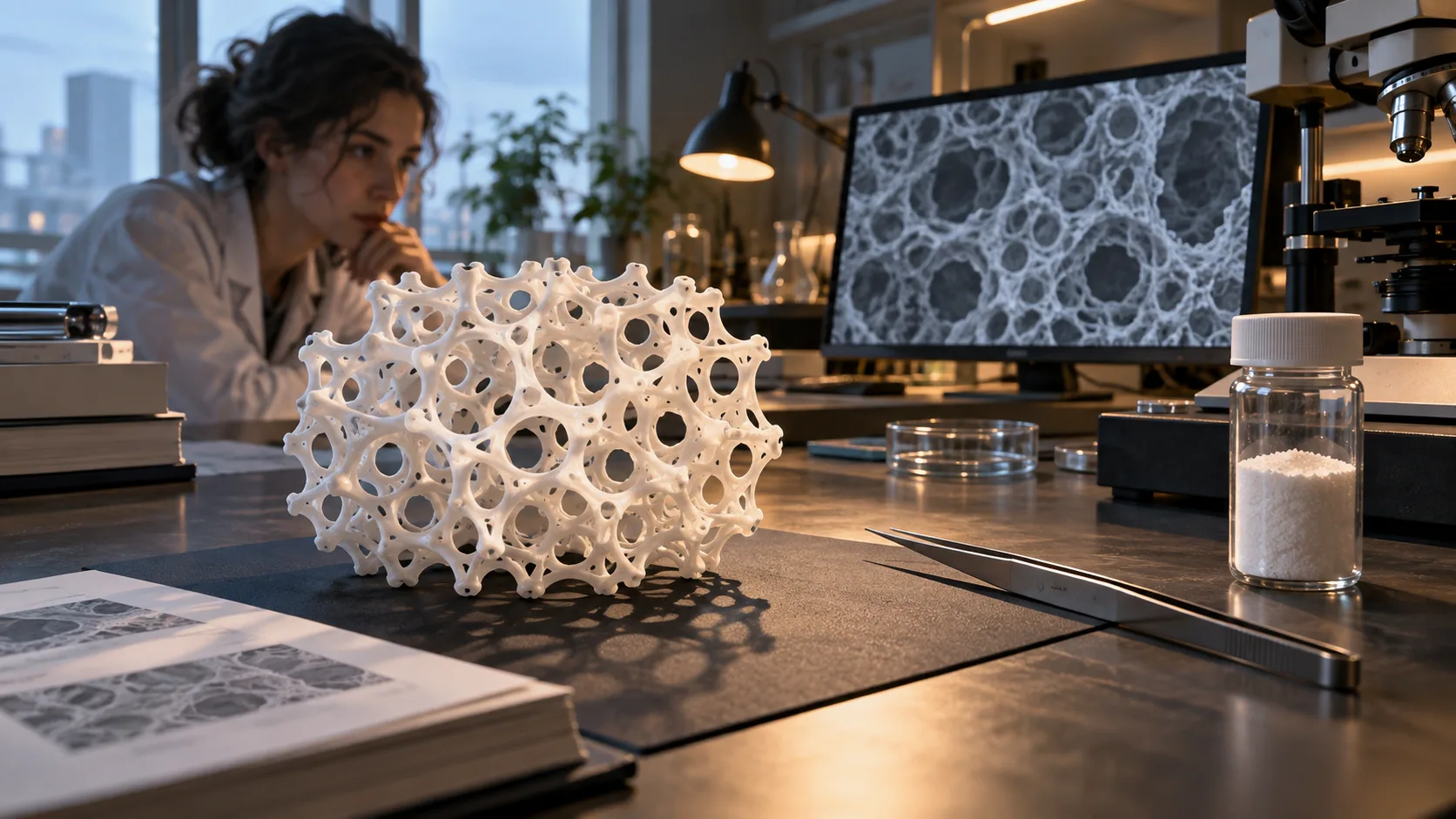
According to a Sandia National Laboratories news release dated February 7, 2013, researchers at Sandia and the University of New Mexico described mammalian-cell templates coated with a silica solution to form near-perfect structural replicas. Lead researcher Bryan Kaehr (Sandia materials scientist) and collaborators framed the result as durable silica architectures that can survive pressures and temperatures flesh cannot — with potential utility in catalysis, sensing, fuel-cell materials, and manufacturing templates.
The peer-reviewed spine commonly cited in that wave is the PNAS-era paper “Cellular complexity captured in durable silica biocomposites” (Kaehr, Townson, Kalinich, Awad, Swartzentruber, Dunphy, Brinker, and colleagues). Later related work (mid-2010s) extended silica bioreplication ideas to tissues and spheroids. None of that is a CDC zombie bulletin.
Translation for cryptid readers: “Zombie cell” was a nickname for a dead biological template turned into a hard inorganic (or later carbonized) copy. The organic material is not “reanimated.” It is used, then typically burned off or transformed, leaving a mineral/carbon ghost of the original architecture.
Why our 2016 desk freaked out anyway
Because headlines are Hollywood’s unpaid interns. “Zombie cells that outperform living ones” sounds like Act One of every outbreak flick. Our predecessor asked, with theatrical dread: a good idea? — then fantasized lab overrun, infection cascade, global shamble.
Grain of salt, please. The Sandia framing was about shape-preserving silica armor / reverse molds, not infectious undead workforce. Applications named in period coverage — fuel cells, decontamination materials, sensors, commercial fabrication — are industrial materials talk. They are not pathogen guidance, synthesis advice, or weaponization chatter. This desk will not invent any of that. Entertainment archive only.
“Zombie” vs “mummy” vs movie zombies
Contemporaneous explainers sometimes distinguished “zombie” replicas (structures that can still do useful materials work after the biology is gone or armored) from other embalming metaphors. Pop blogs mashed those metaphors into Romero cosplay. Keep the arrows straight:
- Materials replica = silica (or carbon) copy of cell architecture.
- Movie zombie = fictional reanimated corpse.
- Real public-health pathogens = belong to official channels, not cryptid SEO.
Conspiracy-curious angle, salt attached: every catchy lab nickname becomes a Rorschach test. Preppers hear doom. Materials scientists hear porosity and conductivity. Both can enjoy the nickname if they keep the 2013 date visible and refuse the fanfic.
Later status (as of September 2026 desk check)
As of this desk’s September 2026 check, silica bioreplication / synthetic fossilization remains a niche materials and imaging research line with published follow-ons in the 2010s. It did not become an operational “zombie workforce.” It did not spawn a confirmed undead outbreak. Do not present the 2013 Sandia release as breaking 2026 news. Do not invent updated “official” apocalypse status.
What we refused to do
- No how-to for cell coating, lab protocols, or pathogen work of any kind.
- No synthesis, enhancement, or weaponization content.
- No claim that silicified templates are infectious agents.
- No backdating this 2026 text as if it were the 2016 post.
Salt freely. If something shambles out of a materials lab, it will be a press release metaphor — not a bite radius. Read the PNAS abstract. Skip the fanfic lab breach.
Reading rules for “zombie science” headlines
- Demand the year, lab, and venue (news release vs journal).
- Ask whether “zombie” is a materials nickname or a disease claim.
- Separate pedagogy / fabrication from outbreak folklore.
- Leave real disease communication to public-health authorities.
The 2016 Athenaeum gag still works as campfire theater. The adult revision is simpler: scientists fossilized cell shapes in silica; bloggers fossilized the nickname into apocalypse SEO. Only one of those belongs in a peer-reviewed abstract.
Sources
- Claim element: Historical predecessor (March 1, 2016) — Attribution: Monstrum Athenaeum original — Link: A Good Idea? Scientists Make Zombie Cells
- Claim element: Sandia news release (Feb 7, 2013) — Attribution: Sandia National Laboratories — Link: ‘Zombie’ replica cells…
- Claim element: Journal framing (PNAS silica biocomposites) — Attribution: Kaehr et al. / PNAS — Link: Cellular complexity captured…
- Claim element: Related mid-2010s tissue/spheroid work — Attribution: Open literature (e.g., silica bioreplication papers) — Link: PubMed / journal DOIs as published
About this article
Entertainment and historical science-communication commentary only — not laboratory instruction, not materials-process guidance, and not public-health advice. “Zombie cells” in this context refers to published materials-science nicknames for silica/carbon replicas of biological templates, not fictional undead organisms or real pathogens. No pathogen synthesis, enhancement, weaponization, or lab protocols are provided or implied. This 2026 article is a brand-new legacy refresh; the 2016 URL is a historical predecessor, not a prior publication of this text. MonstrumAthenaeum.org is for mature audiences who can tell a silica frustule from a Romero extra.
Original publication credit
Original title: A Good Idea? Scientists Make Zombie Cells. The preserved copy has no named writer credit. Originally published March 1, 2016.