Seasonal folklore guide United States (Halloween oral and digital storytelling culture)
Scary Stories, Urban Legends & Creepypasta: The October Search Lane That Never Dies
Scary stories and urban legends spike every October. Bloody Mary, Hookman, babysitter calls, creepypasta — folklore for parties. Friend-of-a-friend salt.
Sign in to save stories to your shelf.
Every October, Google turns into a campfire.
Type the match-strike phrases — scary stories, urban legends, the creepypasta cousins that arrived later wearing leaked-document cosplay — and watch the results fill with babysitters, hooks, mirrors, hitchhikers, and “a friend of a friend swears.” Public evergreen keyword inventories (Theseolabs-style Halloween lists and their cousins) keep putting scary stories and urban legends in the same high-demand neighborhood as scary movies and “horror movies based on true stories.” Those are illustrative, tool-dependent third-party keyword shapes — not measured Google volume. Volumes move; the hunger does not.
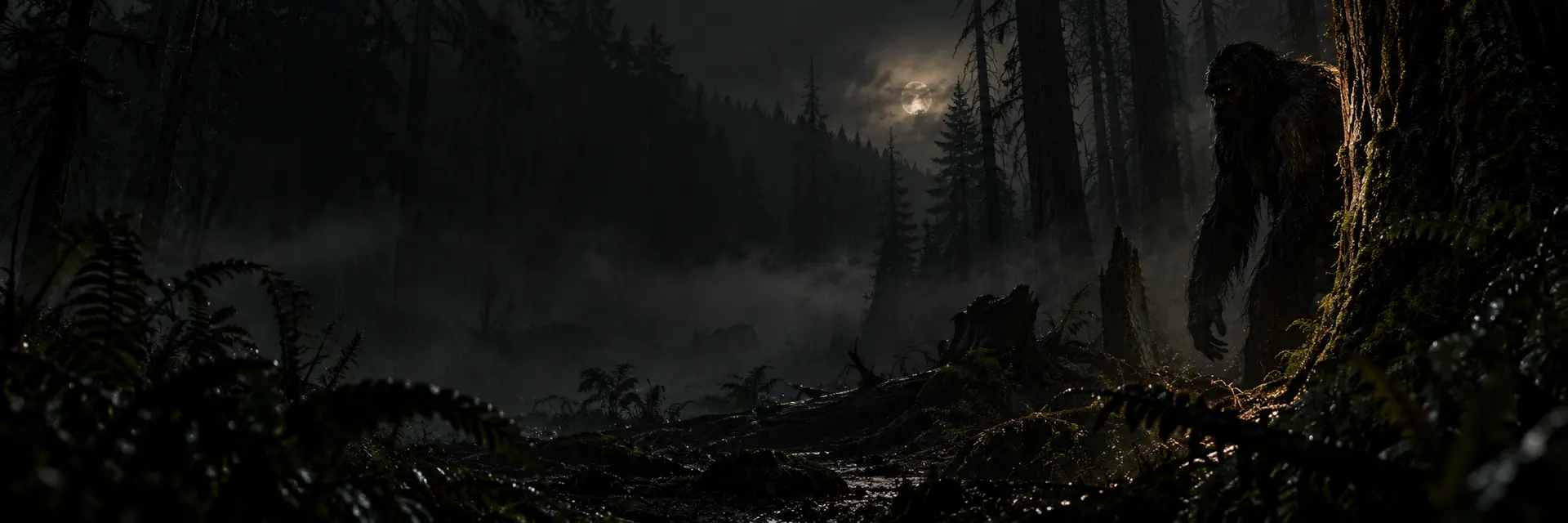
Monstrum Athenaeum’s Cryptid desk files this as entertainment folklore, not a blotter. Hypersensational on the page. Conspiracy-curious in the margins. Grain of salt in every paragraph like rock salt on a porch in January.
Why October searchers still want the old knives
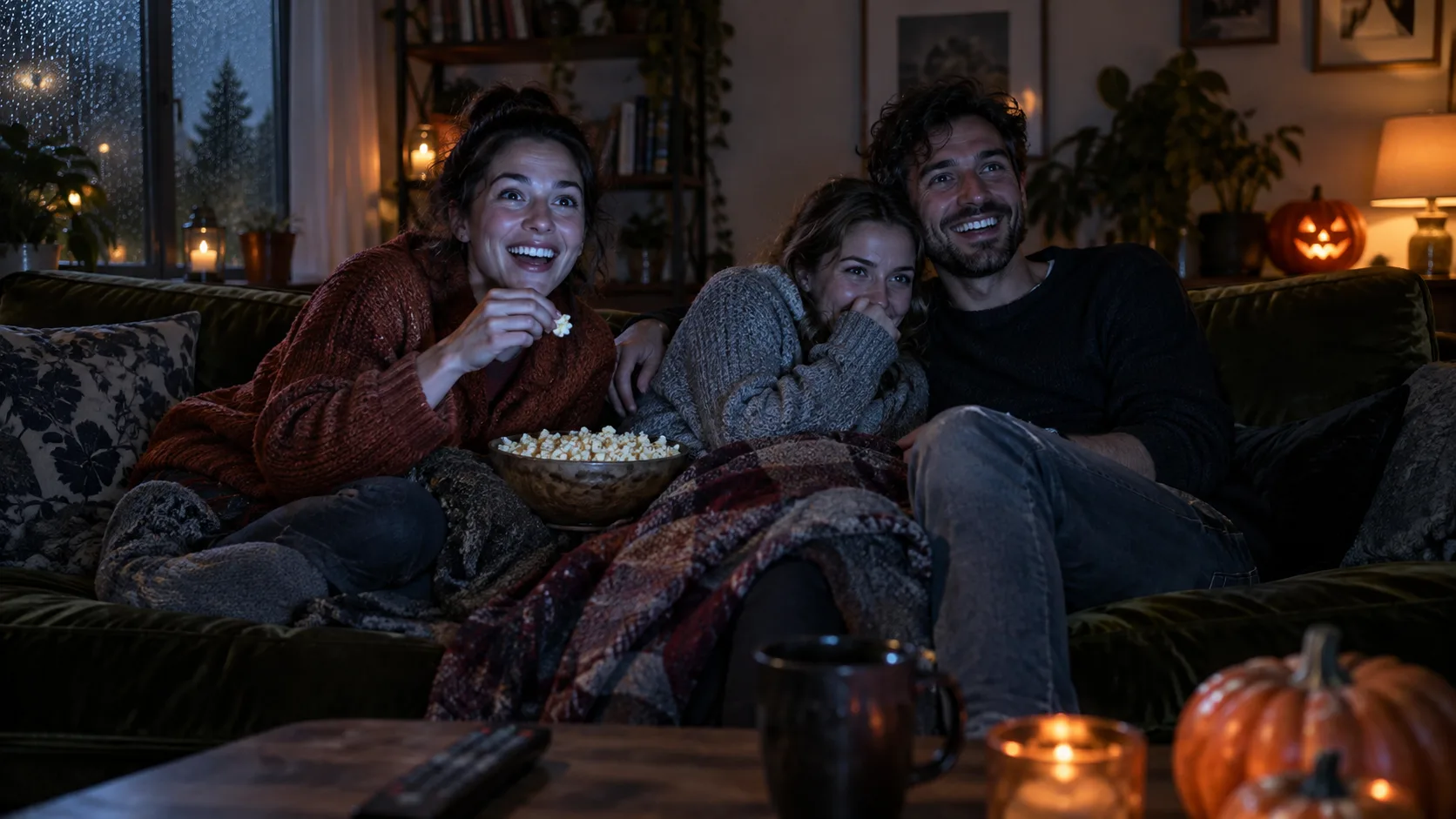
Scary stories are portable dread. No ticket. No Express Pass. No GPS “haunted houses near me” commitment. Just a voice, a pause, and the social sport of watching someone insist it “really happened in their town.”
Urban legends sharpen that sport. They borrow the shape of a local news brief — time, place, caution — then twist until the lesson grows teeth. Creepypasta industrializes the same machine for forums and group chats: fake case files, fake transcripts, fake “found footage” text.
Conspiracy-curious aside: every decade’s panic rents a legend costume. Sleep experiments. Clown sightings. Calls from inside the house. The monster is usually us, editing better.
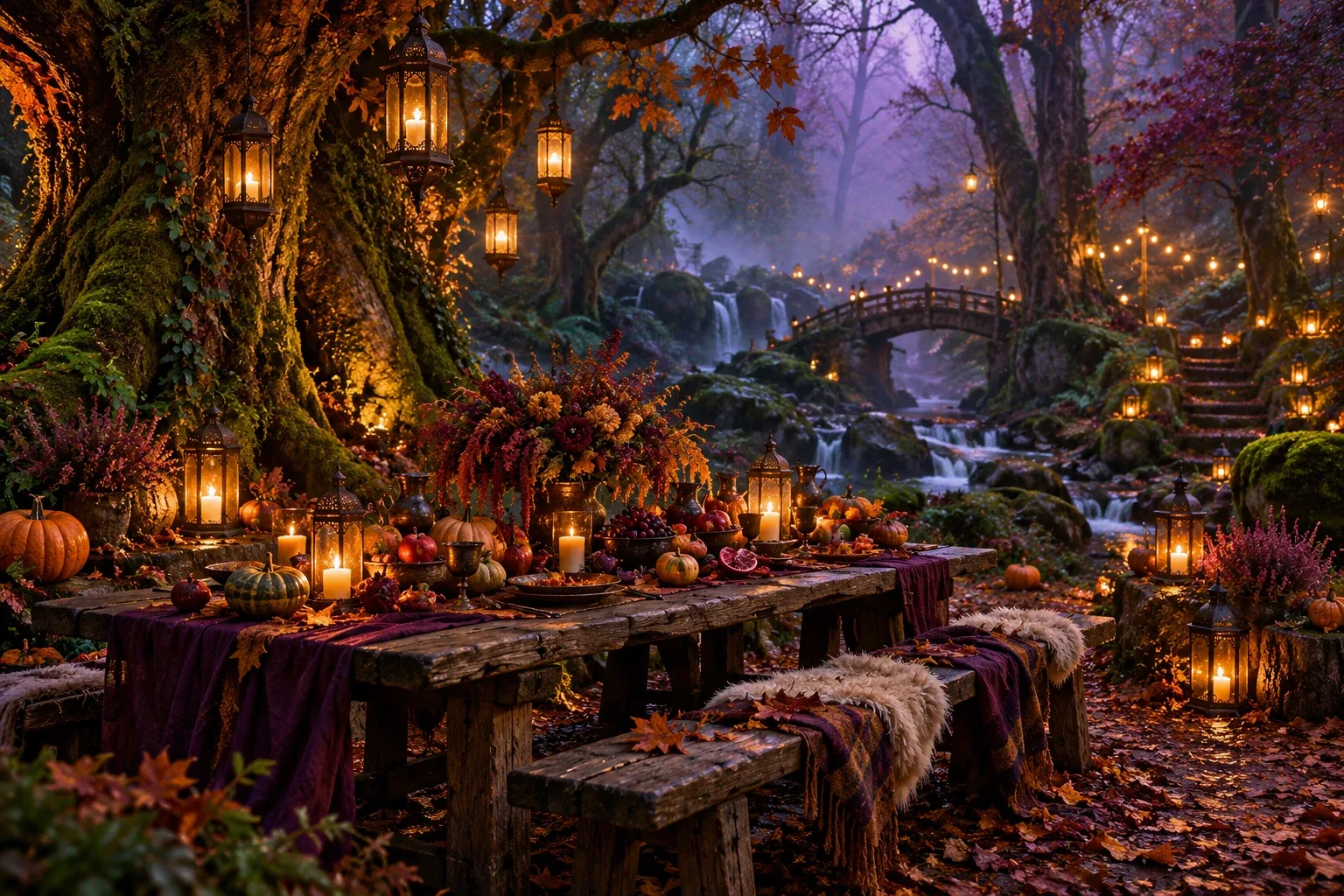
Frightgeist 2025 reminded the country that Halloween tourism can crown Las Vegas as the top trending destination and party themes can go Enchanted Forest mystical — but the search box still makes room for porch-swing horror. Destination glitter and oral darkness share a calendar. They do not share a verification standard.
Eight-to-ten story types people actually search (party fuel, not proof)
Below: the types that keep showing up in Halloween legend roundups and October query talk. Retellings are fiction / oral tradition. Local details get swapped so the tale feels like your exit ramp. That is folklore doing its job — not a citation.
1) Bloody Mary (mirror dare folklore)
Bathroom. Mirror. Name chanted. Face appears. Screaming exit optional. Teen ritual folklore for decades. Entertainment framing only — this is not a summoning manual, and we are not publishing “correct” chant counts like a recipe. The dare is the point. Adulthood is knowing dares are theater.
2) The Hookman / hook-handed killer
Lovers’ Lane. Radio bulletin. Escaped figure with a hook prosthesis. Couple drives off; a bloody hook hangs from the door handle. Postwar U.S. legend family (1950s–60s cultural footprint, including a famous Dear Abby airing in teller histories). Moral used to be “don’t park.” Moral in 2026: teenagers will always invent a better reason to be somewhere dark.
3) The babysitter and the man upstairs
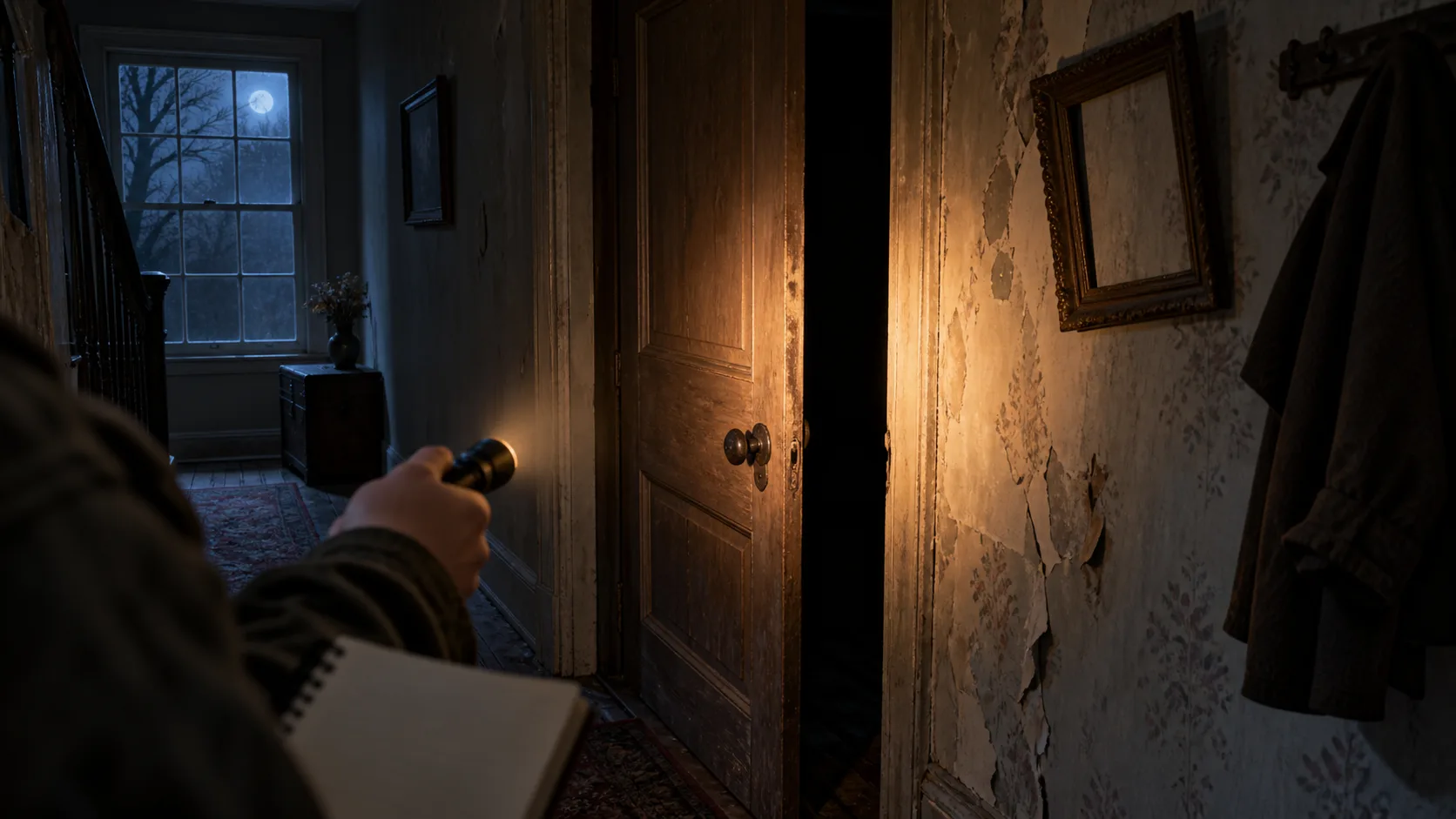
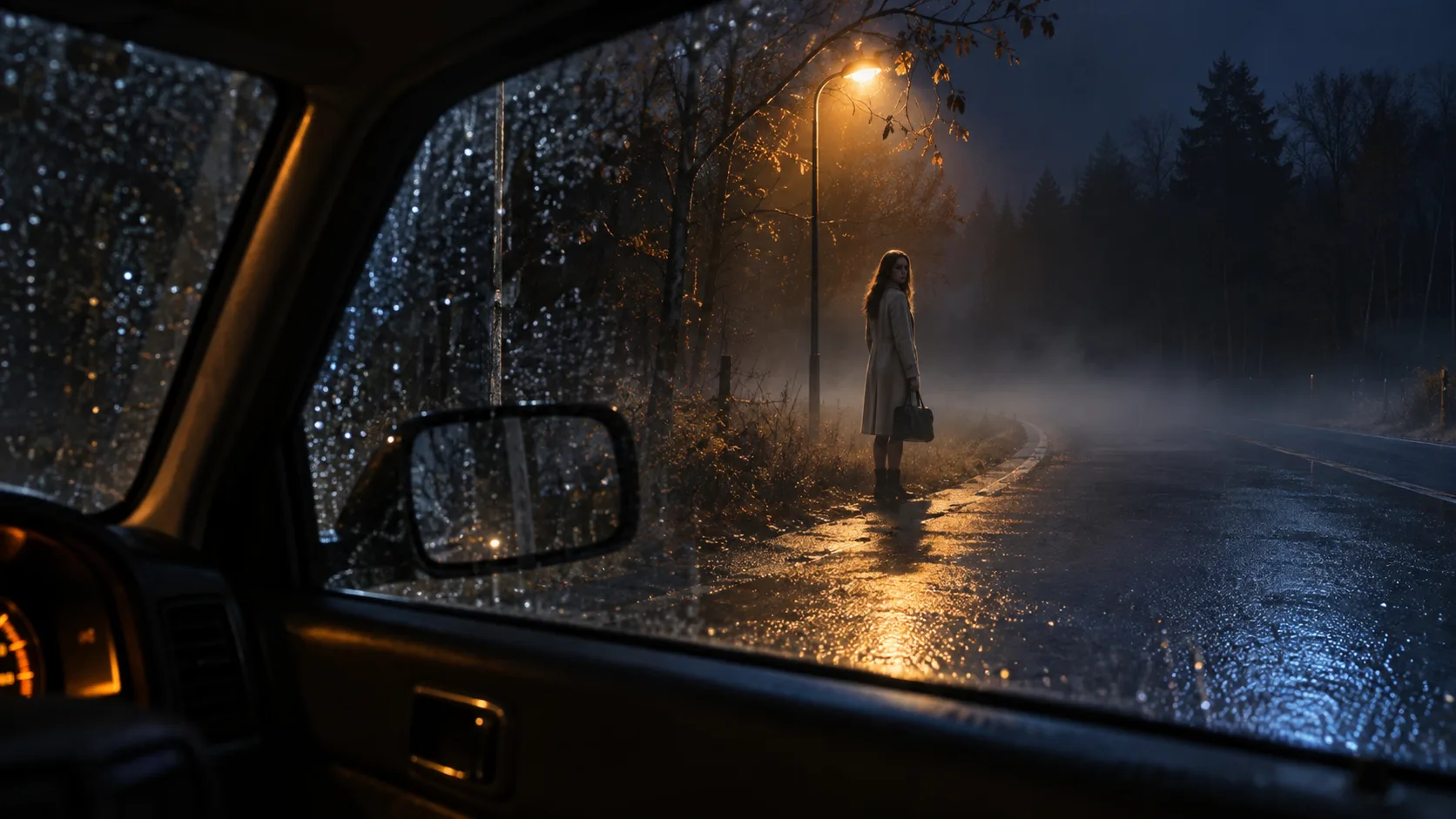
Teen babysitter. Kids supposedly asleep. Calls asking if she checked the children. Police trace the line — get out. Classic American legend later catnip for film and TV. The version everyone remembers is the one where help is almost too late. Turn the lights down before you weaponize it at a party.
4) Killer in the backseat
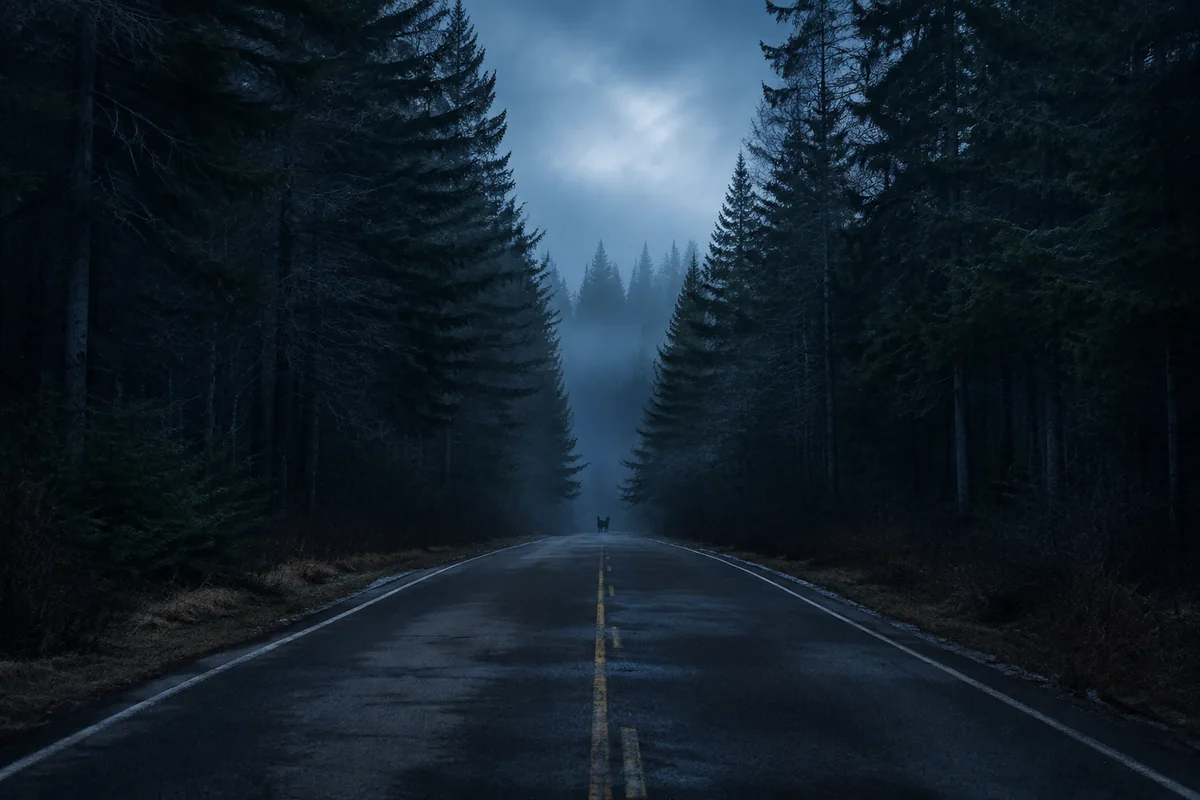
Driver alone. Another motorist flashes lights, honks, seems aggressive. She races home — only to learn the “aggressor” saw a silhouette with a knife in her backseat and was trying to save her. Pure structural dread: the helper looked like the threat. Treat crime-adjacent teller claims as storytelling spice, not a single verified origin story.
5) The vanishing hitchhiker
Pickup on a lonely road. Passenger gives an address. Passenger vanishes before arrival. Family says she died years ago on that stretch. International motif wearing local highway numbers. Perfect for night drives and people who already distrust rest-stop lighting.
6) Roommate / dorm lights-out murder
One studies; one parties. Partier slips into bed in the dark. Morning: roommate murdered; message in blood on the wall (“Aren’t you glad you didn’t turn on the lights?”). Campus cautionary tale cosplay. Fiction that weaponizes the library-versus-keg choice.
7) Clown statue / intruder in plain sight
Babysitter unsettled by a clown “statue.” Parent: we don’t own a clown statue — grab the kids and get out. Sibling energy to the babysitter-call cycle. Still works because nobody trusts clown décor after midnight.
8) Body under the bed / hotel box-spring corpse
Often framed as honeymooners in a big-city hotel (Vegas gets cast a lot). Smell. Housekeeping fails. Mattress lifted — corpse in the box spring. News-adjacent cousins get waved around by tellers; the full packaged plot is legend assembly. Ice-machine distrust sold separately.
9) Choking dog / missing finger
Owners come home; large dog choking. Vet visit. Phone call: get out, call police. Intruder missing a finger — the dog had been choking on it. Decades of popular circulation. Efficiency horror: the pet already finished Act One.
10) Creepypasta case-file types (Russian Sleep Experiment class)
Sealed chamber. Forbidden experiment. Subjects become something else. Tellers claim leaked documents. Salt stamp: fact-checkers (Snopes and peers) classify the famous Sleep Experiment as modern creepy fiction, not a documented historical study. Great monologue. Terrible history homework. Label the genre so nobody leaves thinking they uncovered a declassified file.
Honorable mentions searchers will demand in the comments: kidney-theft business-trip nightmare; spiders in the beehive hairdo (older tellings); “my house is haunted” personal anecdote cosplay. Folklore is a living playlist. Your cousin’s version ending differently is not an error — it is participation.
How to serve them without becoming the villain
- Say fiction out loud when the story is fiction.
- Keep the friend-of-a-friend shrug — that is the genre’s wink.
- Do not frame mirror dares or “summoning” as instructional content.
- Pair a heavy tale with something silly after so guests remember it was a show.
- If a legend claims a real crime cousin, distinguish motif from case file. Athenaeum will not launder campfire structure into true-crime SEO bait.
Hypersensational closer with the volume honest: urban legends are crowdsourced fear management. They teach check-the-children, don’t-ignore-the-statue, maybe-trust-the-flashing-headlights — then exaggerate until pedagogy grows fangs. Useful as story. Poisonous as epistemology.
Compare the lane to its October siblings. Haunted places near me wants a map. Halloween Horror Nights wants IP mazes (yes, including the 2026 Hollywood stack people keep naming — Sinners, Hellraiser, Evil Dead Burn). Scary stories / urban legends wants a narrative you can carry home in your throat. Same month. Different products. Same salt.
Bottom line: October keeps searching scary stories and urban legends because dread that fits between the chips and the punch bowl will outlive any single Frightgeist chart. Package the classics. Label the pasta. Pass the salt. Hide the clown décor.
Continue your Halloween reading
- Halloween 2026 Media Night: What People Are Actually Searching (and Streaming)
- “Horror Movies Based on True Stories”: What October Searchers Actually Want (Claim vs Fact)
Sources
- Snopes — The Russian Sleep Experiment (fact check) — classified as modern creepypasta fiction, not a documented study.
- Wikipedia — List of urban legends — folklore-overview framing for the legend inventory (babysitter, Hookman, hitchhiker, etc.).
- Google, The Keyword — 2025 Halloween Trends (Frightgeist), Oct 9, 2025 — Las Vegas top trending destination; Enchanted Forest party theme (seasonal calendar context).
Entertainment / folklore storytelling only. Scary stories, urban legends, and creepypasta summaries here are presented as fiction and oral tradition, not as verified news, true-crime documentation, or instructions to imitate dangerous dares or “summoning” rituals. Do not harass people, trespass, or perform risky stunts for content. Keyword-volume references are illustrative third-party signals, not Athenaeum measurements. Grain of salt. MonstrumAthenaeum.org is for mature audiences who know a campfire story when they hear one.