Cultural history Forest Farm Nature Reserve, Cardiff, Wales
Cardiff’s Werewolves: The Halloween Legend Built at Forest Farm
A University of South Wales team turned a Cardiff nature reserve into a walkthrough werewolf rite, then studied how a crowd helps a monster feel real.
Sign in to save stories to your shelf.
Some legends are inherited. One October in Cardiff, a legend was manufactured on purpose — and its makers later described how it worked.
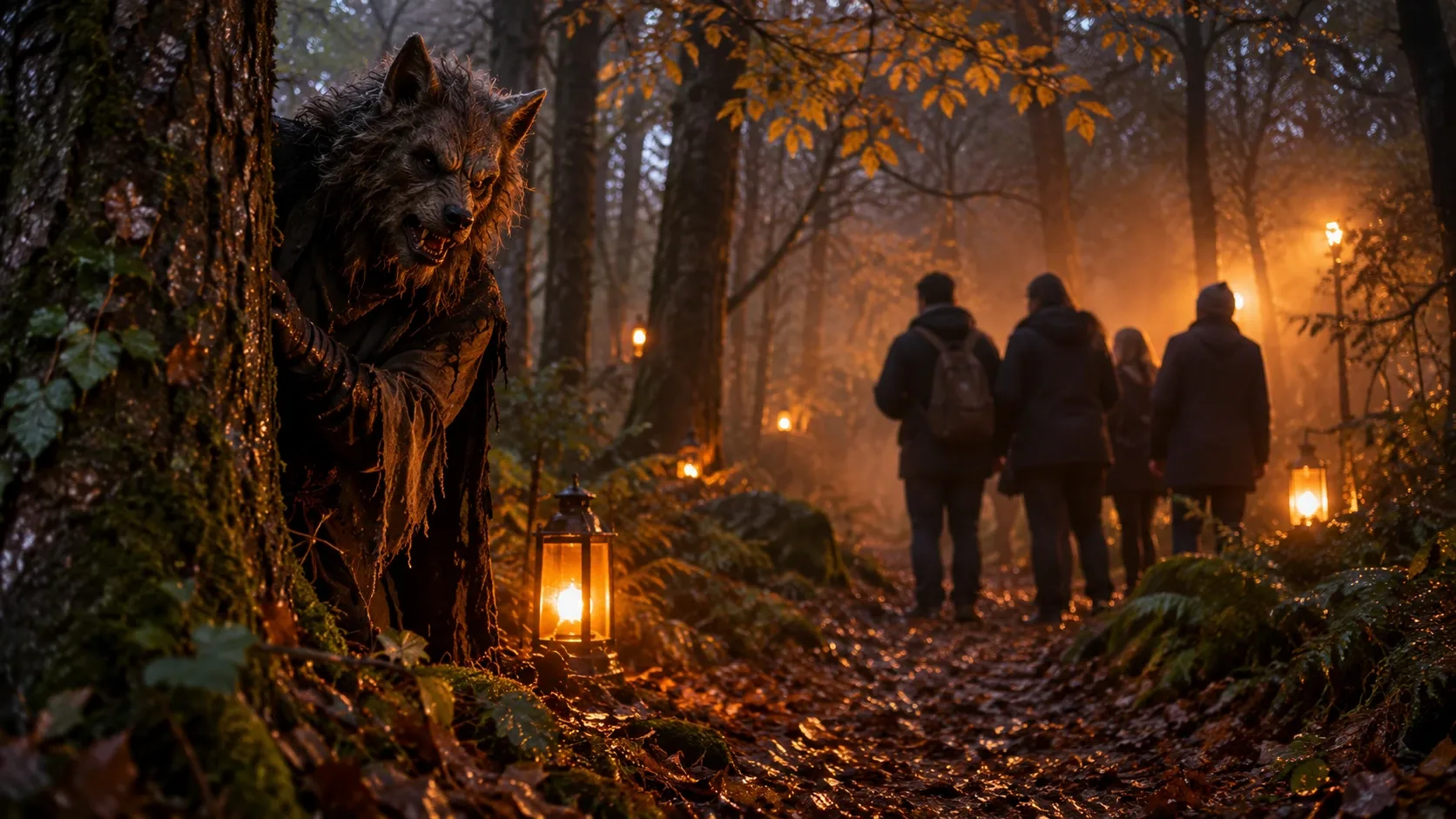
In late October 2015, the Drama Department of the University of South Wales staged an immersive, walkthrough horror event called Werewolves at the Forest Farm Nature Reserve on the edge of Cardiff, commissioned by the city council. Audiences did not sit in a theatre. They were led along a route through the reserve after dark, guided by storytellers and ushers, past performers who acted out werewolf tales in the landscape while dancers carried the ensemble's ritual sequences. Lanterns, torches and planned lighting did the rest, shaping a safe outdoor site into somewhere that felt anything but safe.
The production became the subject of a scholarly article by Richard J. Hand, "'Brand New Ancient Legends': Creating Werewolves for a Welsh Halloween," published in the journal Revenant in its special issue Werewolves: Studies in Transformation. Hand frames the event as practice-as-research: not only making a show, but using it to ask how a large ensemble and a willing audience can together conjure a shared world of horror — what he calls, borrowing the production's own ambition, a "brand new ancient legend."
Old folklore, new machinery
The creative team did its homework. Writers drew on Welsh and wider werewolf folklore, literature and film, then rebuilt that material for bodies moving through real woodland. Hand situates the methods partly in the tradition of the Grand-Guignol, the Parisian theatre of horror whose craft lay in pacing — tightening dread, then releasing it, sometimes with humour, before tightening it again. Storytellers and guides were trained in suspense and the uncanny; performers worked the ground itself; stage managers choreographed where each group of visitors went and when, so the fear arrived on cue and nobody got lost in the dark.
What is striking, read now, is how little of that depends on special effects. The werewolf of Forest Farm was assembled from timing, voice, movement and the collaboration of an audience that agreed, for an evening, to believe. That is the oldest machinery in the business of monsters — the same consent that keeps a campfire story working — set down here in the language of a research paper rather than a folk tale.
The event belongs to 2015; Hand's study of it followed. Together they make a small, honest case: the line between a legend you were told and a legend you were walked through is thinner than it looks, and sometimes the people on the far side of it are theatre academics with a clipboard and a plan.
Sources
- Richard J. Hand, "'Brand New Ancient Legends': Creating Werewolves for a Welsh Halloween," Revenant (Werewolves: Studies in Transformation) — author's article page and abstract describing the University of South Wales production and its methods.
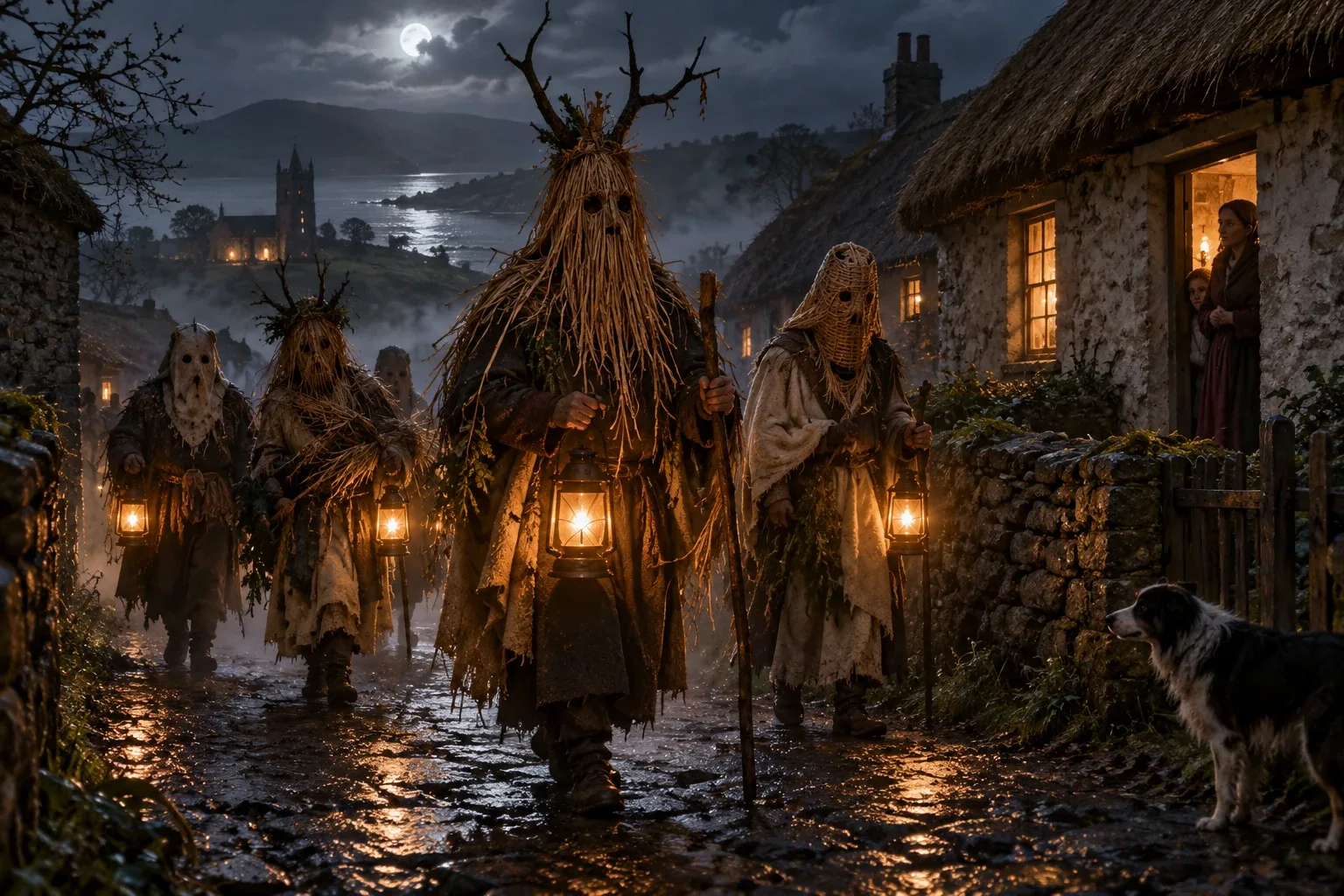
Imagined outdoor performance; not a photograph of the 2015 production.