Folklore and cultural history Salem, Massachusetts, USA (witch-panic echo relevant to cat/familiar lore)
Why Black Cats Got Stuck with Halloween (and Bad Luck)
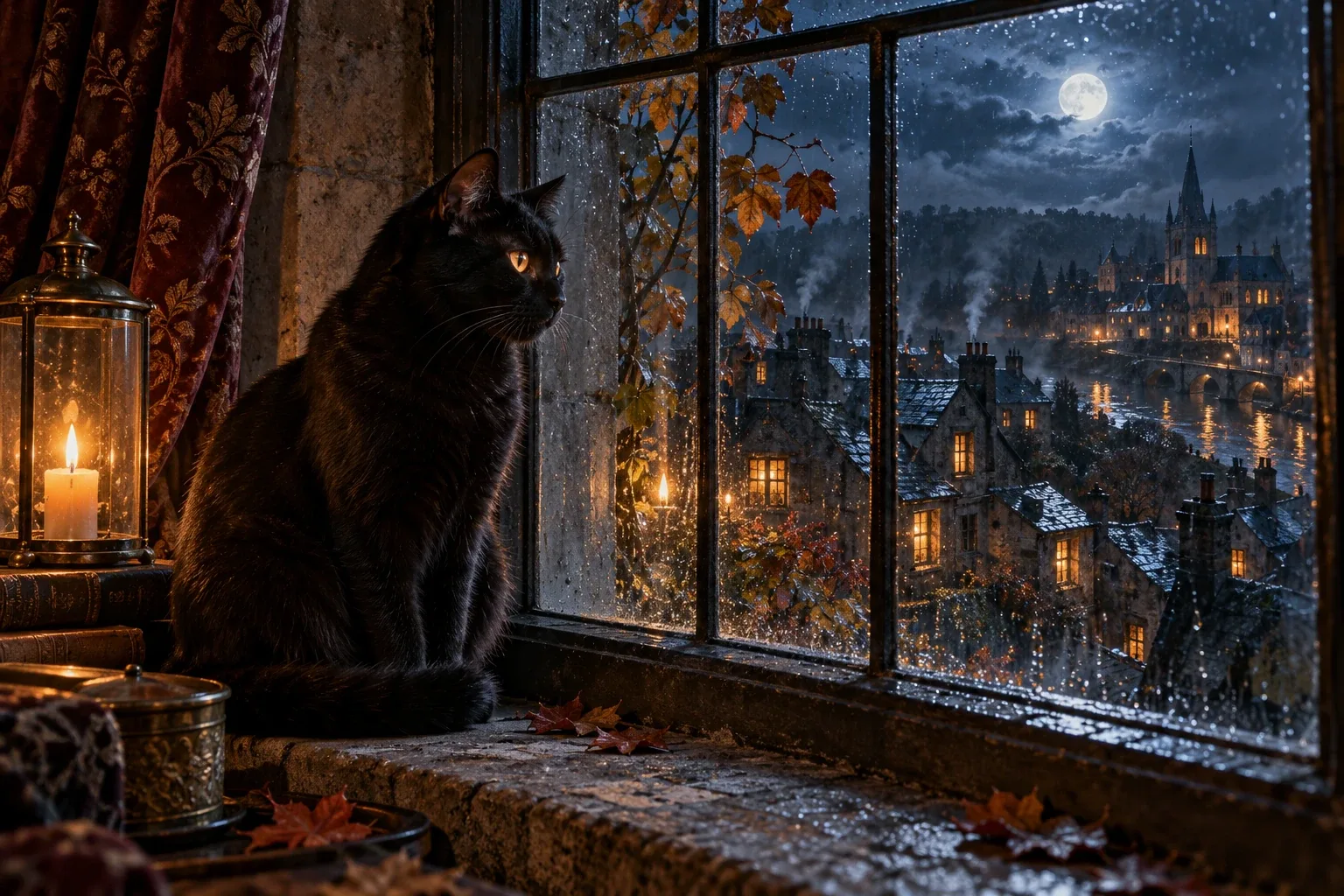
Black cats didn’t ask to be Halloween’s villain mascot. Medieval witch panic, familiars lore, and colonial carryover did—grain of salt, real sources.
Sign in to save stories to your shelf.
The black cat didn’t apply for the job.
Halloween casting directors — which is to say, centuries of fear, sermons, woodcuts, and later postcard printers — hired the animal anyway.
According to Britannica’s Halloween overview, black cats carry one of the holiday’s most notorious reputations: a cat crossing your path as bad omen. That belief, Britannica says, dates to medieval Europe, when folklore held that witches or even the Devil could disguise themselves as black cats. The notion traveled to North America with European colonists and cemented the “spooky cat” brand.
History.com’s black-cat superstitions feature pushes the paper trail earlier and darker: written occult linkage at least to the thirteenth century, including discussion of Pope Gregory IX’s 1233 document Vox in Rama as a text associated (in popular historical telling) with demonizing cats in heresy panic narratives.
Grain of salt: papal documents and later folklore get compressed in magazine explainers. What’s durable is the pattern — black cats get drafted into witch-and-devil storytelling, then Halloween inherits the costume.
Familiars: the occult HR department
Britannica’s “Why Are Black Cats Unlucky?” explainer ties the unlucky reputation especially to Europe and the Americas between the fourteenth and eighteenth centuries, when cats were implicated in witchcraft accusations during witch hunts and trials. Western demonology, the piece notes, often depicted them as familiars — spiritual helpers of witches.
History.com quotes contemporary pagan voices and folklorists describing the same fear logic: if witches and the Devil can wear cat shape, a crossing path isn’t a pet moment. It’s a possible mission.
That’s cruel metaphysics for an animal whose main crime was melanin and proximity to women healers, widows, and anyone socially convenient to accuse.
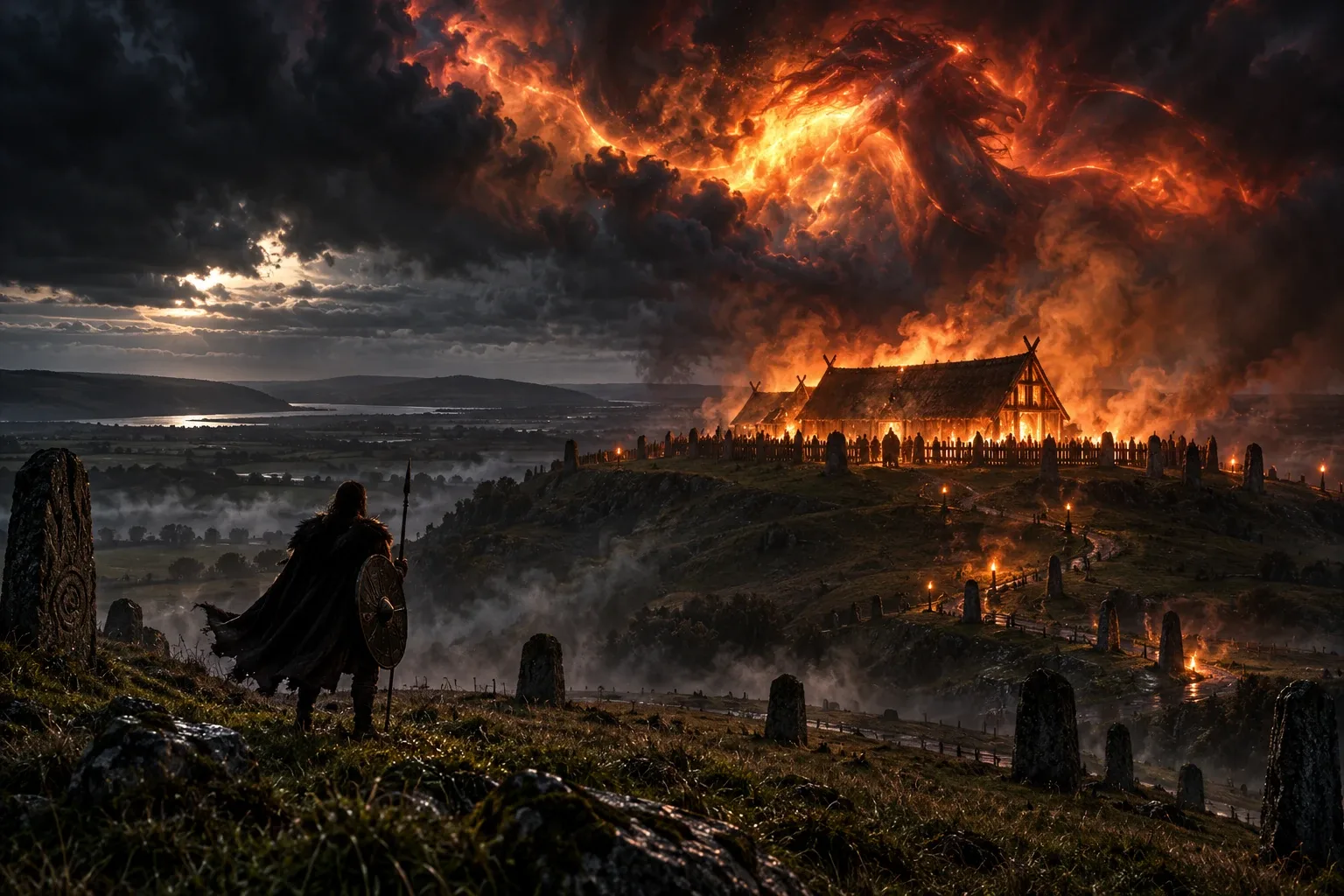
Salem’s 1692 witch-panic echo — geography we use carefully here as cultural landmark, not as “cats caused Salem” — sits inside that wider Atlantic fear weather. Familiars and spectral evidence were part of the New England witch-trial imagination even when the postcard black cat came later.
Not everywhere unlucky — the plot twist
Britannica is clear: the fear isn’t universal. Ancient Egypt sacred cats (including black) under Bastet; Scotland and Japan among places where black cats can signal good fortune. Halloween’s bad-luck cat is a regional export that went global via Anglo-American pop culture, not a planet-wide law of physics.
A cynical angle: once print capitalism and Hollywood need a shorthand for “witchy,” the black cat becomes reusable clip art — fear fossilized into seasonal branding.
How Halloween sealed the casting
By the time American Halloween iconography hardens in the late nineteenth and early twentieth centuries — postcards, party books, store décor — the set is already chosen: witch, broom, cauldron, crescent moon, black cat.
The holiday doesn’t invent the superstition. It annualizes it. Every October, the old accusation gets a smile and a price tag.
Shelter workers have long noted seasonal adoption superstitions around black cats; treat those claims as social anecdotes unless a specific org study is cited. What we can say from Britannica/History: the cultural association is old, sticky, and still taught to children as “spooky fun.”
Crossing paths — the micro-ritual of avoidance
The path-crossing omen is elegant social tech. It costs nothing, requires no priest, and lets fear travel at street level. Folklorist commentary in History.com’s piece frames it simply: you don’t want to meet the Devil’s errand runner.
Modern readers laugh — then still feel a weird ping when a black cat bolts under a streetlight in late October. That’s branding winning inside the nervous system.
What this is not
This is not “black cats are demonic.”
This is not medical or behavioral advice about pets.
This is a folklore autopsy: how an animal coat color got drafted into witch panic and then into Halloween’s permanent cast list.
Postcards, silent films, and the cute-scary loop
Once Halloween merch and early cinema need instant “witch house” signaling, the black cat becomes efficient shorthand. Pointy hat optional; yellow eyes mandatory. The animal’s real personality — aloof, affectionate, ordinary — never gets a callback.
That’s how superstition becomes kitsch without being exorcised. Kitsch keeps the shape. It just adds a bowtie.
Adoption season and the ethics sidebar
Every October, journalists revisit whether black cats face adoption discrimination. Some shelters historically paused black-cat adoptions near Halloween over cruelty rumors; others call those fears overblown. Without a specific study cited here, treat operational shelter policies as local practice, not universal law.
The point stands either way: a holiday that plays with witch-panic imagery has collateral cultural effects on living animals. Grain of salt — and maybe go adopt a black cat in November when the décor bins go on clearance.
From familiar to friend — reclaim attempts
Modern witches, Wiccans, and cat people have spent decades trying to flip the script: black cats as protectors, luck charms, beloved familiars-by-choice rather than courtroom evidence. History.com’s interviews with pagan authors sit in that reclaim lane.
Does reclaim erase the medieval stain? Not overnight. Branding is stubborn. But it does mean Halloween’s cat can be read two ways now: leftover accusation, or ironic familiar who outlived the prosecutors.
Witch trials as content engine
Between the fourteenth and eighteenth centuries — Britannica’s window — Europe and its colonies ran recurring moral panics where animal companionship could be entered as evidence of the wrong kind of spirituality. A cat on a widow’s hearth wasn’t neutral. In the wrong decade, it was Exhibit A.
History.com’s framing of church income from fear (blessings against cat-borne curses, in folklorist retellings) is the sort of detail cynical readers underline twice. Even if you discount the income motive, the social function is obvious: keep the supernatural threat local, visible, and four-legged.
Halloween’s teaching loop
Children learn the omen as a joke rhyme. Adults buy cat napkins. Museums sell enamel pins. The accusation becomes alphabet curriculum.
That’s not harmless because cats can’t read. It’s sticky because symbols train attention. What you teach kids to flinch at, you teach culture to keep rehearsing.
Parallel omens — bats and the night shift
Britannica’s Halloween animal notes also drag bats into the bad-omen club: messengers between witches and Devil in European folklore; death harbingers; the “three circles around a house” death rumor. Cats aren’t alone in the seasonal menagerie. They’re just the one that also wants dinner and a windowsill.
Seeing the set list helps: Halloween animal icons are mostly a night-fear zoo curated by old Christian demonology and newer party printers.
Practical grain of salt
If a black cat crosses your path on October 31:
- Folklore says: omen.
- Biology says: cat had somewhere to be.
- Monstrum says: enjoy the shiver, tip your hat, don’t invent a curse diary.
The holiday thrives on that double vision — half believer, half smirk.
Bottom line
Black cats got stuck with Halloween because medieval and early modern Europe stuck them with witches — and America never fired the understudy.
Believe the Devil-shapeshift claim? That’s your private metaphysics. The public record is uglier and simpler: fear needed a mascot, and the mascot had fur.
Attribution / sources
- Claim element: Path-crossing omen; medieval witch/Devil disguise; colonial carryover; cross-cultural luck contrast
Attribution: Britannica Halloween; Britannica “Why Are Black Cats Unlucky?”
Link: britannica.com/topic/Halloween; britannica.com/topic/Why-Are-Black-Cats-Unlucky - Claim element: Occult paper trail; familiars; folklorist commentary
Attribution: HISTORY.com, black cats superstitions
Link: history.com/articles/black-cats-superstitions
Protective footer
This article is entertainment and folklore commentary for a mature audience. It summarizes publicly available historical and folkloric claims about black cats, witchcraft accusations, and Halloween symbolism. It is not historical, religious, veterinary, or medical advice. Superstitions are not evidence; take them with a grain of salt. Monstrum Athenaeum does not endorse animal cruelty or occult panic. Links are for attribution and verification.
Dramatic recreation — Monstrum Athenaeum