Cultural history Cape Town, South Africa
Eyona the Werewolf Cat: Cape Town’s Unusual 2016 Rescue
Eyona’s unusual coat earned the rescued Cape Town kitten a werewolf nickname in 2016. The story led to a Lykoi assessment and a home.
Sign in to save stories to your shelf.
Five kittens looked much as the rescuers expected. Their littermate looked as though he had wandered out of a werewolf story.
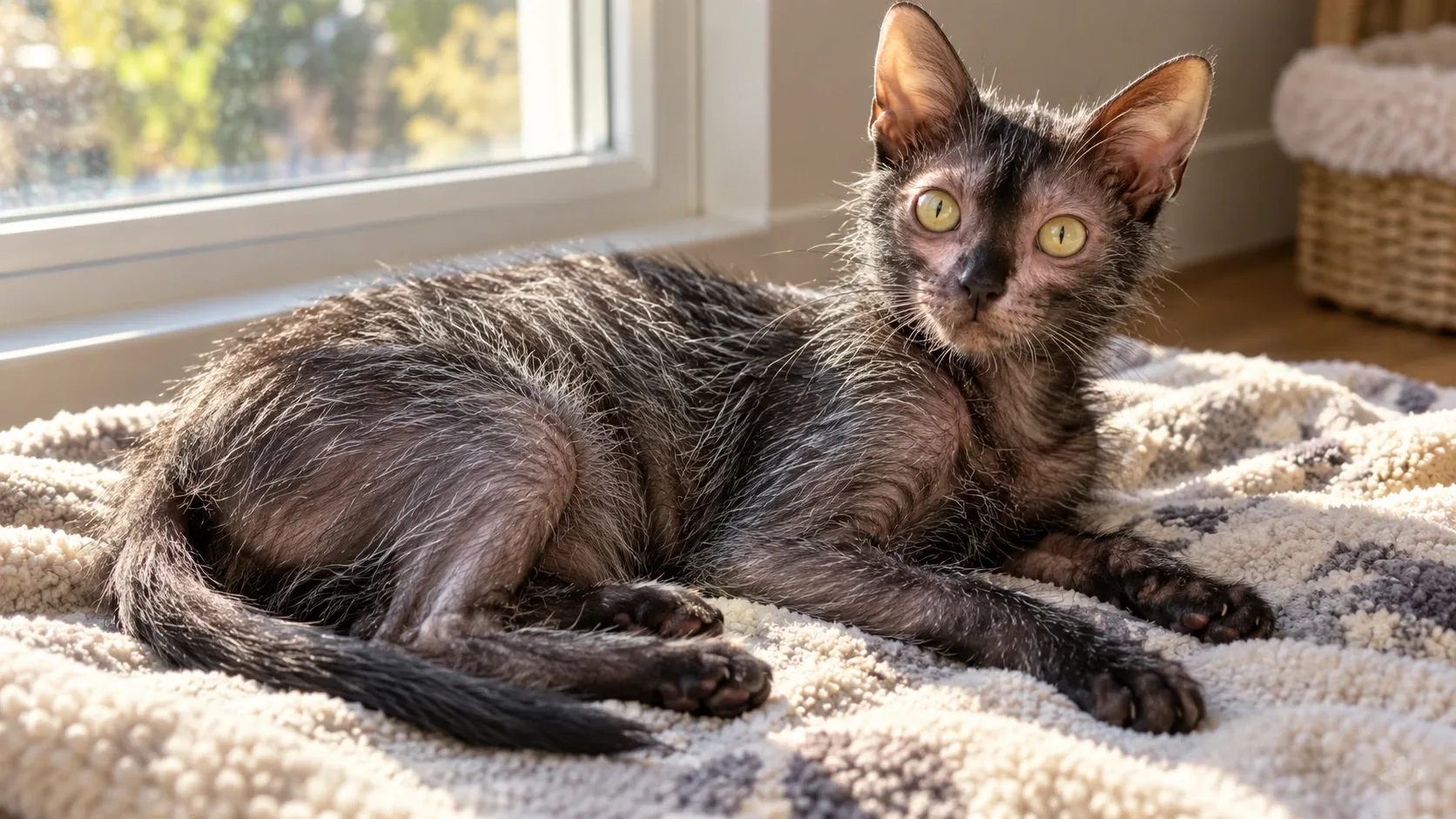
The kitten became known as Eyona. In May 2016, ABC News reported how Cape Town’s TEARS Animal Rescue had found the litter, and how the sixth kitten’s unusual coat attracted attention. Sparse fur and exposed skin around the face gave him an uncanny expression.
Veterinarian Johnny Gobble, who helped establish the Lykoi breed, identified characteristics of the so-called werewolf cat from pictures and descriptions. A colleague later examined Eyona. Gobble told ABC that there was not a genetic test to confirm the Lykoi trait at that time, distinguishing the physical assessment from DNA proof.
A strange face, an ordinary need
The resemblance that made Eyona newsworthy was also what made him easy to misunderstand. His face could suggest a creature in the middle of becoming something else. What he needed was the same as his littermates: care and somewhere to live.
The contemporary story describes him settling into a home rather than being sold as a curiosity. A creature that might have looked frightening in a tightly cropped photograph was, in the room beyond that photograph, a cat learning where he could sleep.
Eyona’s place in werewolf culture is a resemblance, not a transformation. It is a pleasingly small crossing between the familiar and the uncanny: the pet on the blanket looks a little like the monster, and the monster has become rather difficult not to like.
Sources
Original breed-context illustration; not a photograph of Eyona.