Cultural history Poligny / Besancon diocese, Franche-Comte, France
The Besançon Werewolf Trials: Bourgot and Verdun in 1521
Pierre Bourgot and Michel Verdun were accused of crimes in wolf form in 1521. Their confessions left a long shadow over werewolf history.
Sign in to save stories to your shelf.
Pierre Bourgot said his troubles began with a scattered flock and three men dressed in black. In the account that survives, help with the sheep came with a terrible condition.
Sabine Baring-Gould’s The Book of Were-Wolves, published in 1865, recounts a December 1521 proceeding in the diocese of Besançon. Bourgot and Michel Verdun — names whose spellings vary between retellings — stood accused of witchcraft and crimes committed in wolf form.
Bourgot’s confession reached back years before the trial. Strangers had offered to protect his animals if he would serve their master. Later, Verdun drew him further into the arrangement. The confessions described a substance that supposedly changed their bodies into wolves, along with attacks on people and livestock.
A wolf made from a confession
These are allegations preserved through accounts of a prosecution, not observations of a transformation. Baring-Gould was compiling the story more than three centuries afterward. His narrative makes the accusations vivid, but that vividness cannot turn an accusation into an established event.
The case has continued to draw historians. In 2016, Mar Llinares García published a study of Pierre and Michel, addressing religion, torture and the treatment of the case in physician Jean Wier’s De praestigiis daemonum. Wier’s discussion questioned the plausibility of the charges.
The enduring horror lies partly in that change of setting. A monster in a tale can disappear into the woods. A monster named in a prosecution can become a charge against a person who has to answer it.
For Bourgot and Verdun, the wolf survives inside words attributed to them, and inside the work of people who copied, challenged and retold those words. The distance between a confession and an actual creature is where the historical question remains.
Sources
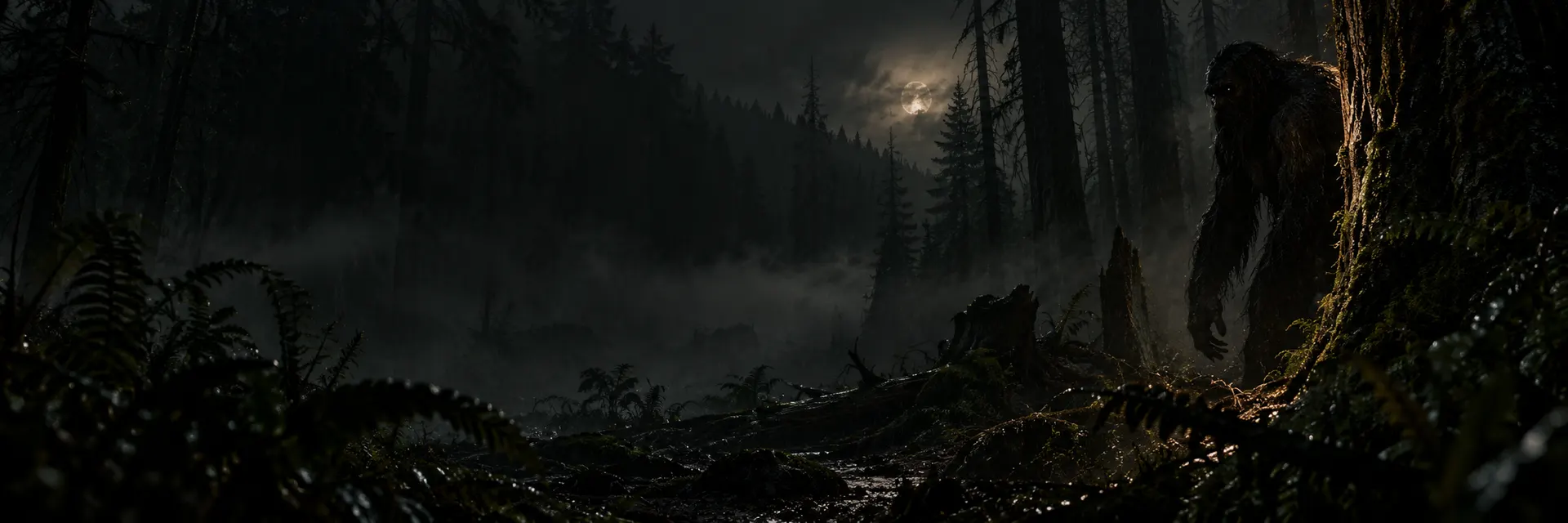
Original historical-setting illustration.