Historical report Kladno, Central Bohemian Region, Czech Republic (Josefa Čapka / Náměstí Sítná area per local press)
Kladno’s Naked “Werewolf” Rampage: Clinical Lycanthropy Theater, Not Fur (2026 Archive)
Archival 2026 feature on the March 2016 Kladno naked rampage — CCTV, smashed cars, “I am a werewolf.” Crime blotter + folklore, not a how-to.

Sign in to save stories to your shelf.
Incident window: early hours of Tuesday, 8 March 2016 (local Czech reporting dated 11 March 2016).
Original Athenaeum filing: 7 April 2016 — a sensational English-language digest of the Kladno “werewolf” man.
This is a brand-new 2026 archival feature. The April 2016 URL is a historical predecessor. We are not updating a live psych-ward status, inventing a conviction outcome, or offering any ritual, salve, or “how to become” nonsense. Entertainment and crime-history context only.
What local press said happened
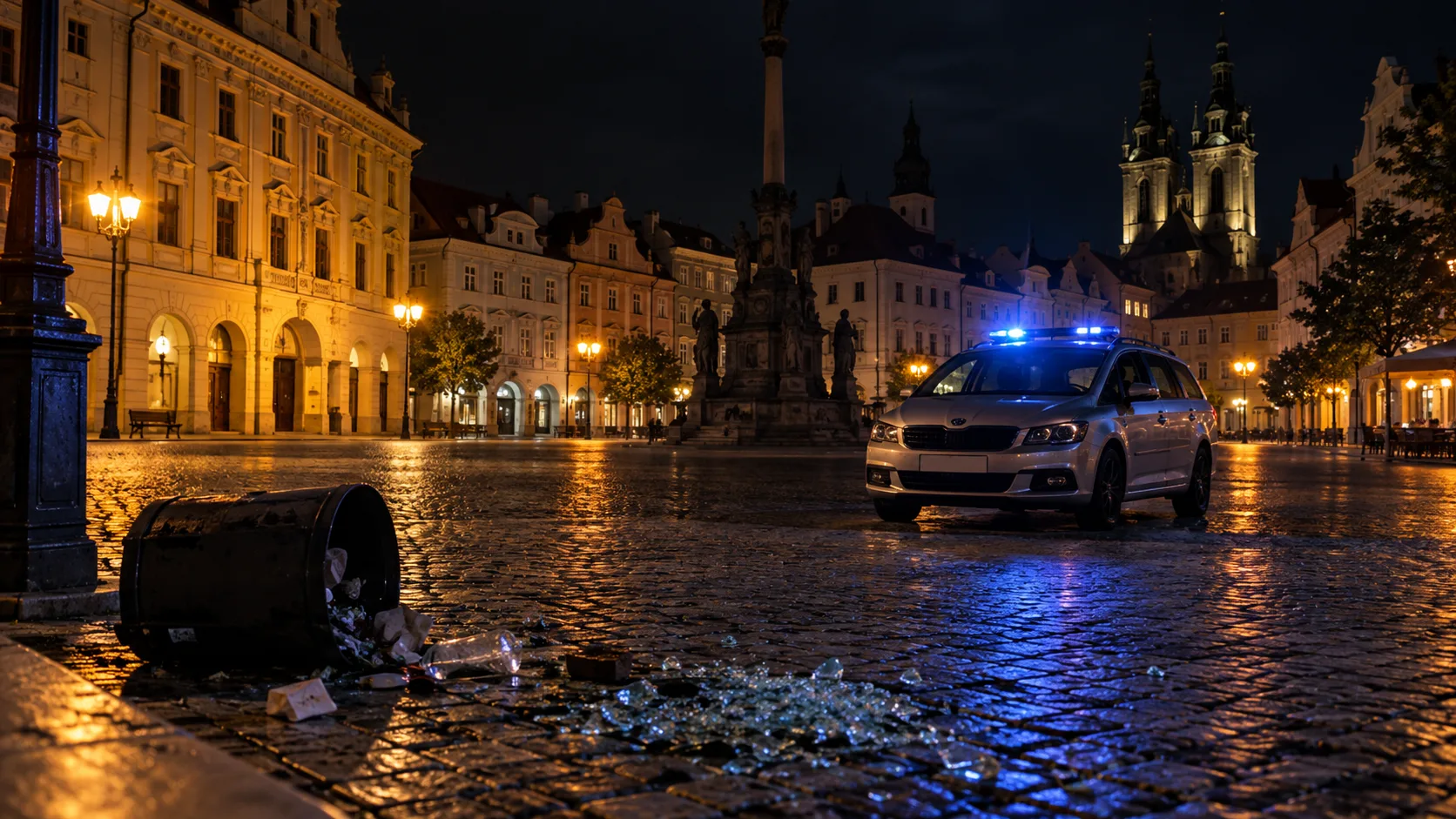
According to Czech outlets including iDNES.cz, Novinky, and English summaries such as Expats.cz, a 37-year-old naked man tore through central Kladno around 3 a.m.:
- Damaged multiple parked cars (press figures clustered around three to five vehicles).
- Forced entry via a balcony / glass doors into a residence and attacked occupants.
- Continued into the street, chasing pedestrians, smearing blood, growling.
- Climbed a municipal police car and smashed the windshield with his knees.
- Fought officers; shouted variations of “Kill me!” according to reporting.
- After hospital treatment for cuts, claimed he was a werewolf (vlkodlak).
- Placed in a psychiatric facility for evaluation. Bloodwork, per contemporary English wires, did not show alcohol intoxication; other tox results were described as still pending in early reports.
He was described as suspected of offenses including disorderly conduct / rioting analogs, property damage, violation of domestic freedom, and violence against an official — wording varies by translation. We are not asserting a final court disposition in 2026; we did not locate a clean, citable final judgment in this refresh pass. Status after evaluation: unverified here — do not invent.
Why the Athenaeum covered it
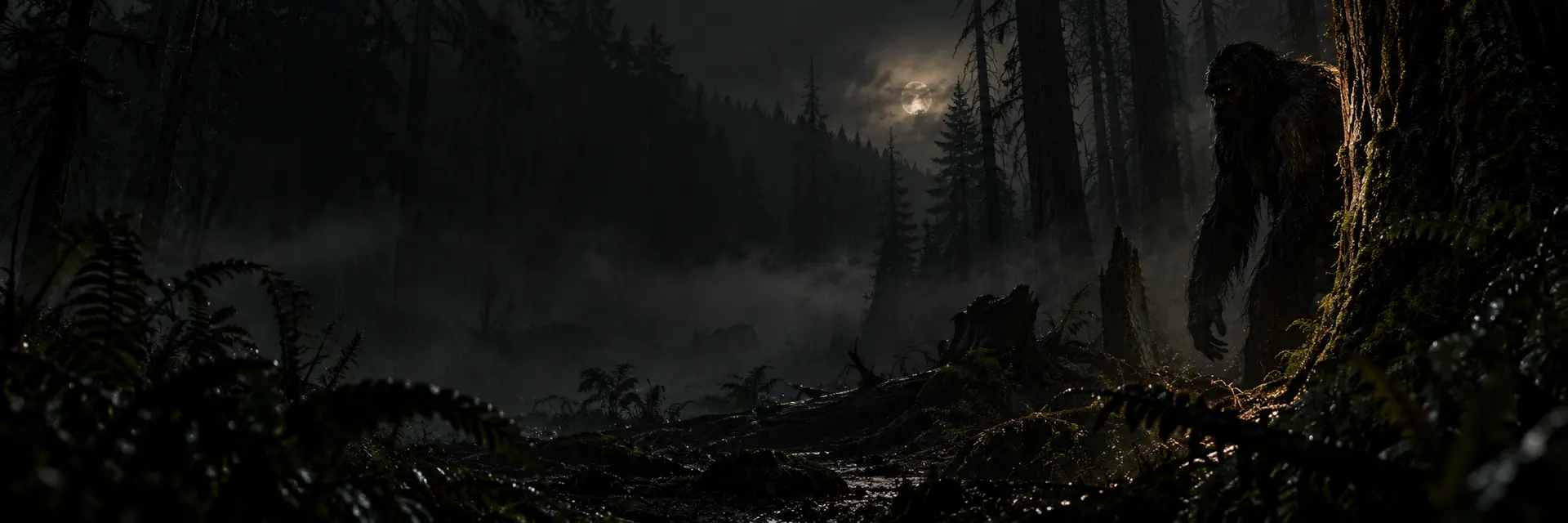
Because the man said he was a werewolf, and because the behavior — pain indifference, nocturnal violence, animalized pursuit — maps onto every bad Lycan movie poster Europe ever printed. The 2016 desk leaned into that rhyme: not fur, but the performance of the monster.
Clinical lycanthropy — the rare psychiatric presentation in which a person believes they are transforming into an animal — gets name-checked in these write-ups for a reason. It is a medical-folklore bridge, not a confirmation that lunar curses work. Skeptics (correctly) note that one delusional rampage does not birth the entire medieval werewolf corpus. Believers (predictably) ask whether old stories remembered something psychiatry later renamed.
Grain of salt: a naked man in crisis is first a public-safety and mental-health event. Cryptid branding is what happens when headlines need teeth.
What the 2016 Athenaeum piece speculated — and what we refuse to expand
The historical predecessor floated clinical lycanthropy and, more carelessly, the idea of hallucinogenic “flying ointment” folklore as a path someone might attempt.
Hard ban compliance: this 2026 rewrite will not provide manufacturing, sourcing, dosing, or procedural guidance for any salve, drug, or ritual aimed at “becoming” a werewolf. Folklore mentions stay at the postcard level. If you want medieval ointment history, read academic witch-trial literature — not a how-to.
CCTV as the modern campfire
Dashcam and street cameras turned a municipal arrest into international weird-news catnip: Irish Mirror, Metro UK, and others ran the growling chase. Video makes the story feel immediate even a decade later. It does not make the man a supernatural organism. It makes him a person in an awful night, recorded.
Conspiracy-curious readers will ask about full moons, suppressed “real” lycanthropy, or whether police underplayed something stranger. The documented through-line we can stand on is simpler and colder: violence, glass, blood, a self-applied monster label, and a hospital-to-psych pathway.
Archival posture for 2026
- Date the incident to March 2016, not “currently.”
- Attribute werewolf identity to the subject’s claim and press paraphrase.
- Do not claim a verified supernatural transformation.
- Do not claim a present-tense evaluation outcome without a fresh primary source.
- Do not turn psychiatric crisis into cosplay advice.
Folklore after the handcuffs
Europe’s werewolf archive is thick with trial transcripts, church pamphlets, and later psychiatric case notes that renegotiate the same behaviors under new names. The Kladno night sits closer to the psychiatric rewrite than to the early modern witch-hunter’s ledger — at least as far as public press allows us to see. That does not make the folklore irrelevant. It makes the folklore a language the subject and the headlines both reached for when ordinary words failed.
Viewers of the CCTV loops did not need a dissertation. They needed a category. “Werewolf” arrived ready-made: nocturnal, violent, pain-defiant, animal-voiced. The label traveled across languages faster than any careful diagnosis could.
What “undergoing evaluation” meant in 2016 — and why we freeze it
The Athenaeum’s April 2016 line that the man was “currently” in psychological evaluation was true to the wire then. Repeating “currently” in 2026 would be editorial malpractice. A decade on, without a fresh primary source on disposition, the accurate tense is historical: he was placed for evaluation after the March rampage, according to contemporary Czech reporting. Anything after that — release, long-term care, court outcome — stays unclaimed here.
That restraint is the point of an archive refresh. Sensation gets a date stamp. Outcomes get a citation or a silence.
Bottom line: In March 2016, Kladno watched a naked man smash cars, invade a home, attack police glass, and call himself a werewolf before psychiatric placement. The 7 April 2016 Athenaeum digest made it a monster-news item. This 2026 feature keeps it in the archive: crime blotter meeting folklore, human and unfinished.
Sources
- Claim element: Athenaeum English digest (Apr 7, 2016) — Attribution: Monstrum Athenaeum historical predecessor — Link: Naked Werewolf Man Attacks Drivers in Czech Republic
- Claim element: Local narrative: naked rampage, cars, balcony entry, windshield smash, werewolf claim, psych placement — Attribution: iDNES.cz (Roman Šafhauser), 11 Mar 2016 — Link: iDNES Kladno vlkodlak
- Claim element: Parallel local/English summaries — Attribution: Novinky; Expats.cz; Metro / Mirror weird-news wires — Link: Expats.cz
About this article
This article summarizes publicly available historical claims for news, commentary, criticism, and entertainment. Descriptions of alleged cryptid, paranormal, or anomalous activity are attributed to named third-party sources and have not been independently verified by Monstrum Athenaeum unless explicitly stated. This 2026 piece is a brand-new archival feature; linked earlier URLs are historical predecessors, not prior publications of this text. Links are for attribution and reader verification. We link out rather than republish original media files. Grain of salt always. MonstrumAthenaeum.org is intended for mature audiences and does not claim scientific confirmation of any cryptid’s existence. Not medical, legal, or safety advice.
Original publication credit
Original title: Naked Werewolf Man Attacks Drivers in Czech Republic. The preserved copy has no named writer credit. Originally published April 7, 2016.