Historical report Abanda cave system, Gabon (central Africa rainforest; upstream Olandé River area as described in expedition writeups)

Orange Cave Crocodiles of Gabon’s Abanda System: Dating the Discovery (2026)

2026 archival take on Abanda’s orange dwarf crocodiles—found ~2008, studied 2010–11, Osteolaemus tetraspis, bat-guano stain, not a brand-new species claim.

By Cryptid deskFirst published Updated 3 min read
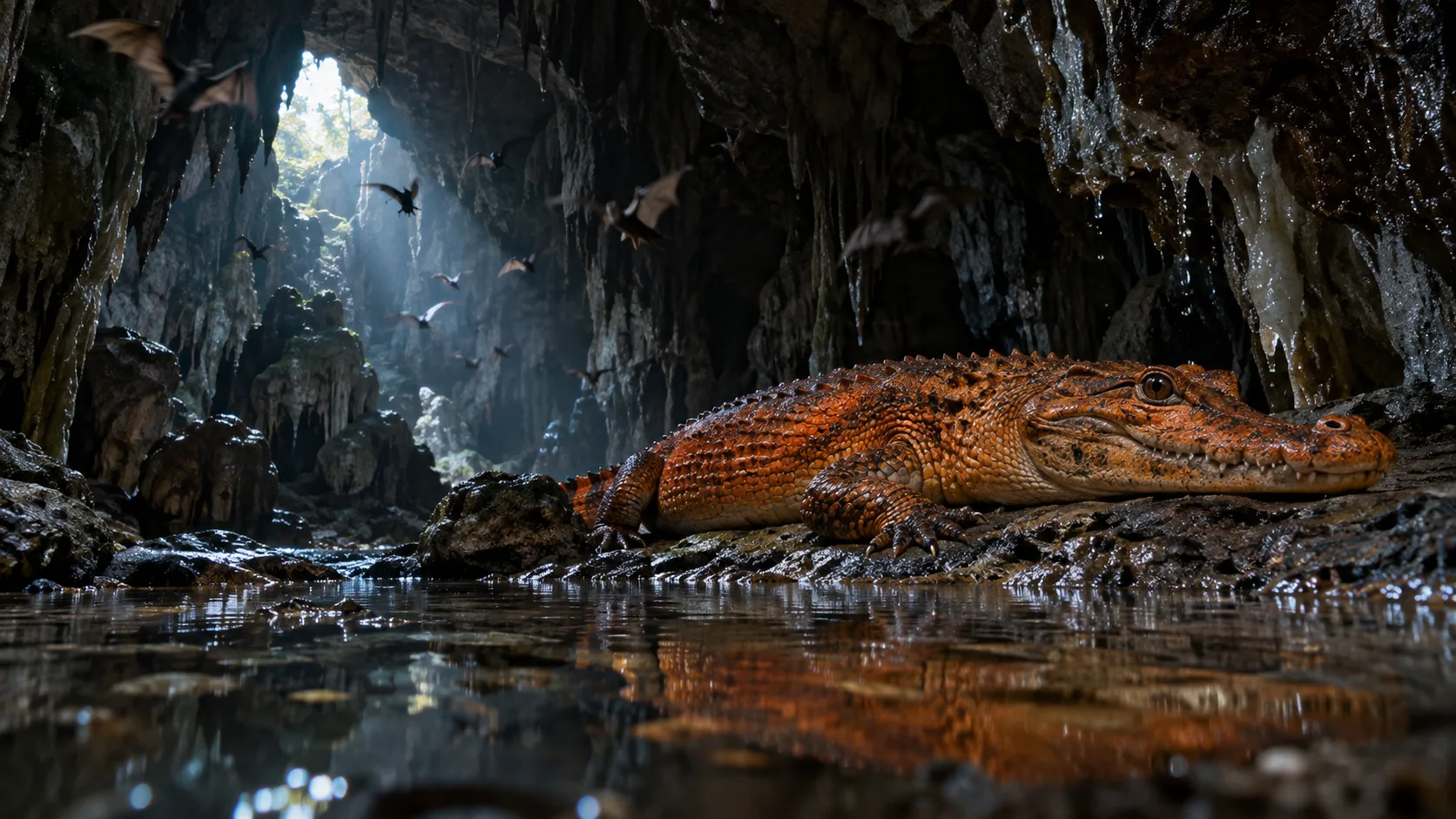
Deep inside a Gabon limestone cave in the Abanda system, a shallow guano-stained pool under a shaft of daylight from a distant sinkhole, and a startlingly orange dwarf crocodile resting on wet rock, its hide stained by bat-guano chemistry, bats blurring overhead.

Sign in to save stories to your shelf.

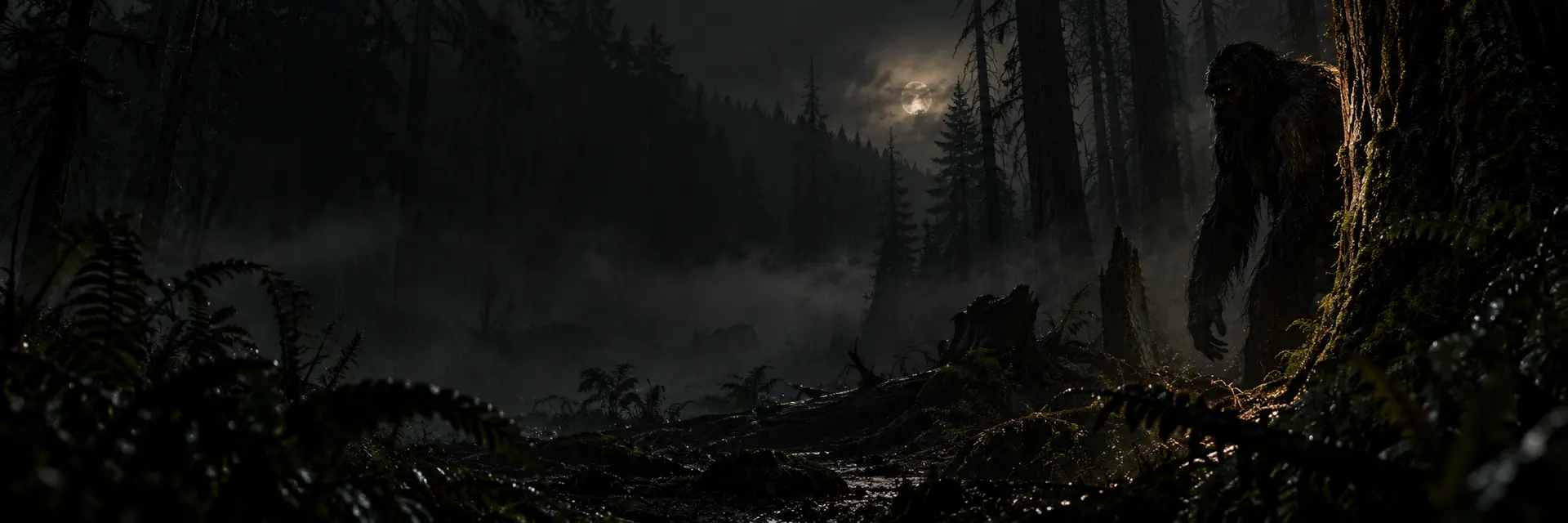
Bigfoot skeptics love the “show me a body” line.

Wildlife keeps answering with weirder receipts.

On October 20, 2016, Monstrum Athenaeum hyped “explorers discover weird orange cave crocodiles” as another blow to the empty-planet shrug. That URL is a historical predecessor. This 2026 rewrite keeps the bat-guano fever dream and stamps the calendar: the Abanda population was not a 2016 overnight miracle.

When “first discovered” actually happened

According to later National Geographic / Guardian framing and expedition notes: archaeologist Richard Oslisly encountered crocodiles in Gabon’s Abanda caves around 2008. Formal multidisciplinary trips with speleologist Olivier Testa, crocodilian specialist Matthew Shirley, and others followed in August 2010 and August 2011.

The 2016 Athenaeum line that they were “first discovered in 2011” compresses a messier timeline. Prefer: found ~2008, intensively studied 2010–11, then pop-science waves into the mid-2010s.

What they are (species status, grain of salt)

Animals discussed are African dwarf crocodiles — Osteolaemus tetraspis (and related dwarf-croc complex talk among specialists). Cave individuals show unique haplotypes relative to many surface neighbors; researchers have floated that isolation may put them on a path toward speciation.

That is not the same as “science declared a brand-new species yesterday.” As of popular 2018–era coverage and later explainers this desk checked in September 2026, they remain framed as an isolated cave population of dwarf crocs with genetic distinctiveness — orange color widely attributed to alkaline bat-guano chemistry staining skin, especially in older males, not a radioactive comic-book mutation.

Conspiracy-curious: hidden speciation in the dark. Skeptical: same genus, dirty bath water, tourism-friendly headlines. Both can share a cave.

Bats on the menu

Says expedition storytelling: locals tipped explorers; red eyes in the dark; crocs taking bats (and cave invertebrates) in flooded galleries. Surface dwarf crocs prefer rivers and forest waters. Food and shelter explain why a lineage might linger underground for generations.

Population chatter in pop pieces ranges roughly ~50 (Athenaeum 2016) to 100–200 across multiple caves (later Shirley-linked quotes). We will not invent a precise census. Treat numbers as researcher estimates in media, not a stamped wildlife inventory.

Why this still matters in 2026

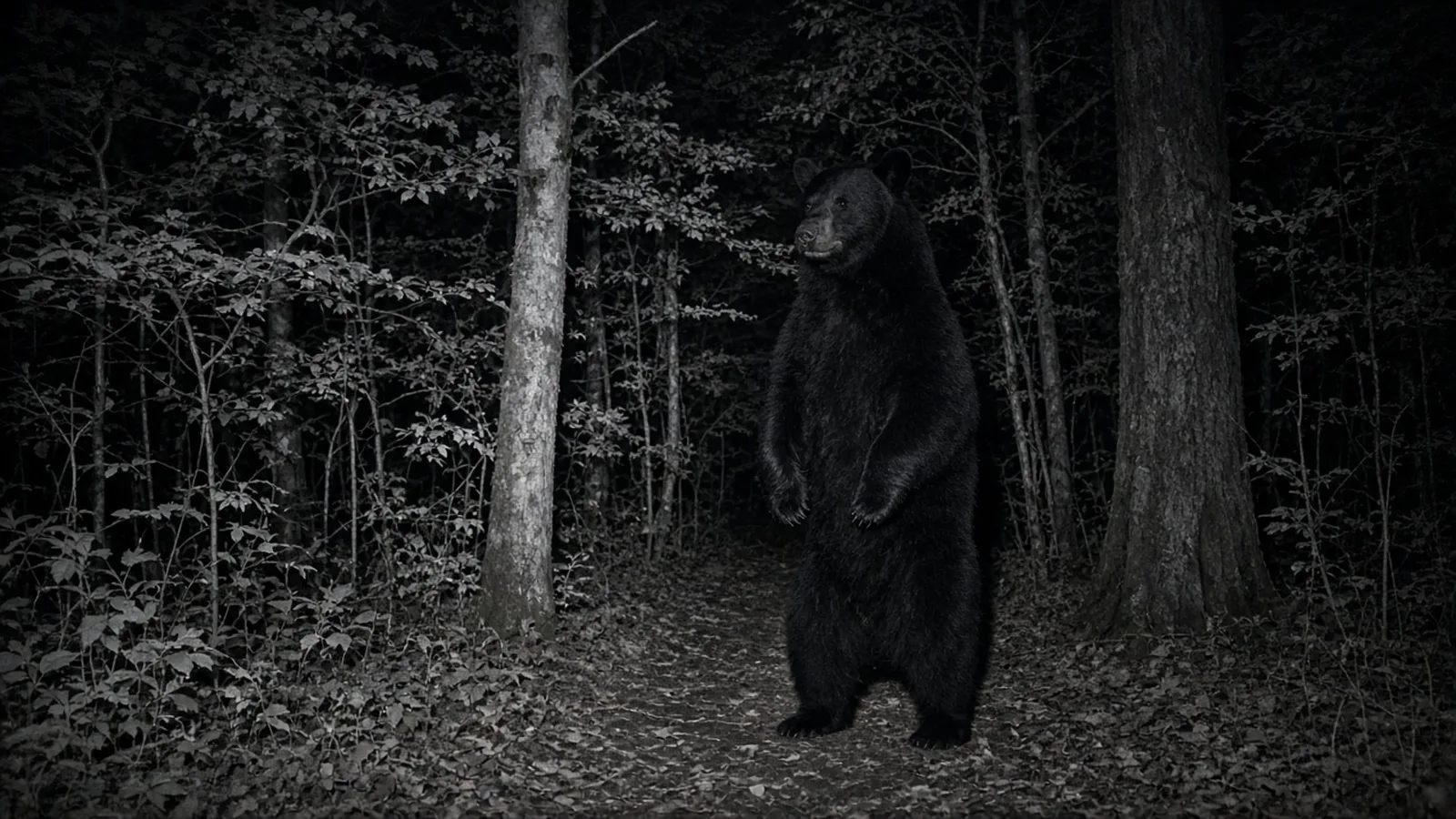
It is a verified weird-ecology story that cryptid blogs borrowed as a rhetorical club: Earth still hides surprises, therefore [insert biped]. Fair as metaphor. Bad as proof. Abanda crocs have blood samples, papers, and named field teams. Sasquatch does not get to ride shotgun on their guano.

Bushmeat pressure and habitat risk appear in later conservation angles — another reason not to turn this into a “go catch one” travelogue.

What we refused to do

We will not claim a 2016 species baptism. We will not invent conviction-level taxonomy updates without a clear formal description. We will not give cave-raid coordinates or collection tips. We will not backdate this text to 2016.

Salt freely. Orange eyes in the dark are real enough for science. Your Yeti still owes a specimen.


Sources

  • Claim element: Historical predecessor (Oct 20, 2016) — Attribution: Monstrum Athenaeum original — Link: Explorers Discover Weird Orange Cave Crocodiles
  • Claim element: Pop science / genetics framing — Attribution: National Geographic Abanda orange cave crocs — Link: NatGeo Abanda article
  • Claim element: 2018 conservation/media wrap — Attribution: The Guardian radical-conservation piece — Link: Guardian orange cave crocodiles
  • Claim element: Expedition context — Attribution: IRD / Oslisly–Testa–Shirley field summaries — Link: IRD “Crocodiles des cavernes” style writeups

About this article

Entertainment and historical science-communication commentary only — not a taxonomic authority, not a collecting permit, and not permission to enter caves or take wildlife. Species status and population figures are summarized from dated media and research framing; Athenaeum has not independently surveyed Abanda. This 2026 article is a brand-new legacy refresh; the 2016 URL is a historical predecessor, not a prior publication of this text. Mature audiences; grain of salt required.

Original publication credit

Original title: Explorers Discover Weird Orange Cave Crocodiles. The preserved copy has no named writer credit. Originally published October 20, 2016.
Continue reading.

Stay with the strange.

Explore the front page →