
Entertainment guide United States (CDC public-communications / nationwide web audience)
The Government’s Zombie Apocalypse Survival Guide: CDC’s Undying Joke
The CDC’s zombie apocalypse survival guide began as a preparedness joke in 2011. Here’s why the undead campaign refuses to stay buried.
Sign in to save stories to your shelf.
Say “zombie apocalypse” at a barbecue and you get two species of human: the eye-rollers, and the people who can recite kit lists like liturgy.
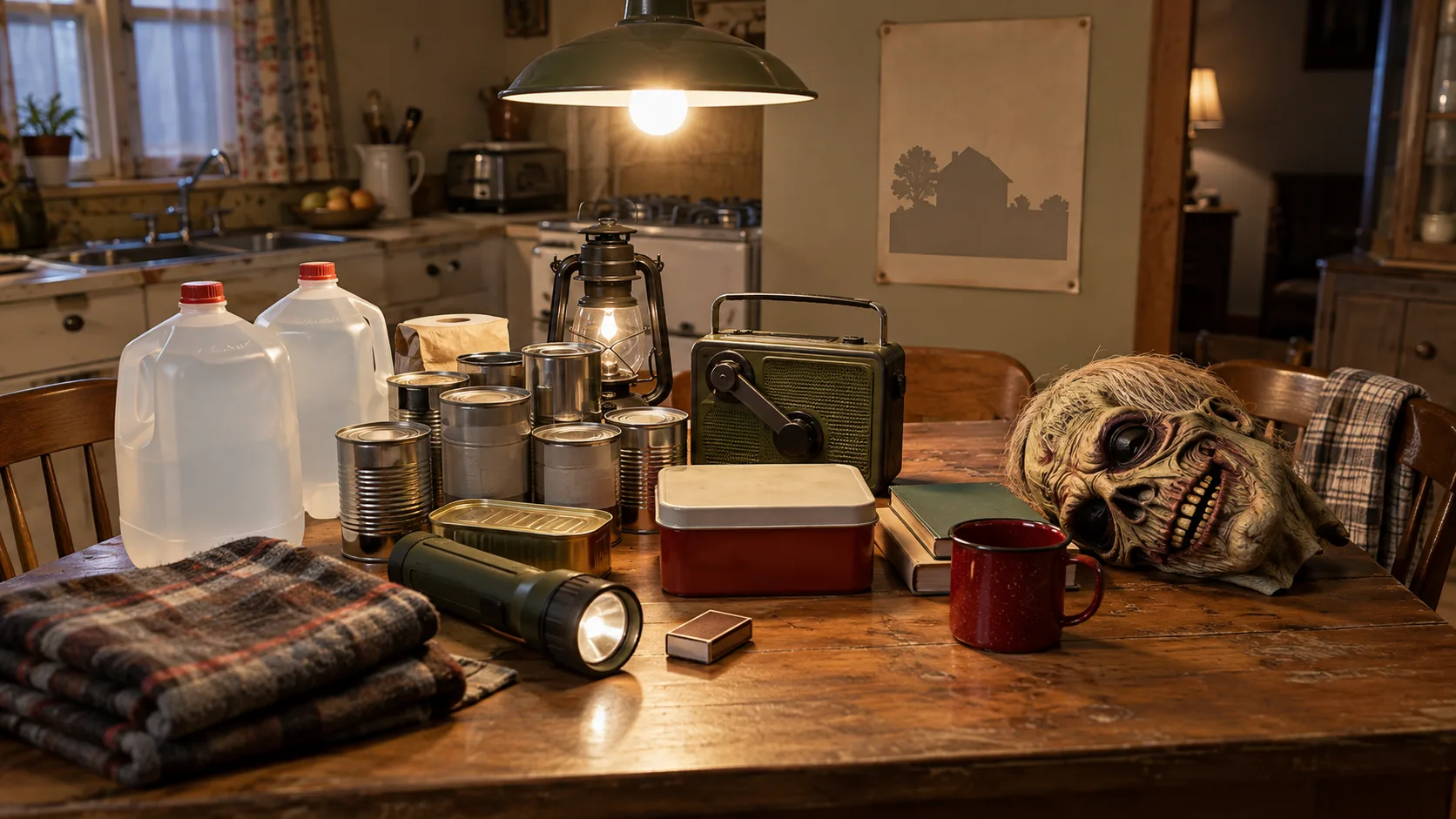
In May 2011, the U.S. Centers for Disease Control and Prevention leaned into the joke hard enough to break the internet’s funny bone. A Public Health Matters blog post — Preparedness 101: Zombie Apocalypse, associated with then-CDC voice Ali S. Khan — used shambling corpses as a Trojan horse for ordinary emergency-kit common sense. Water. Food. Documents. A plan. The undead were the clickbait. Hurricanes were the homework.
What the CDC actually published
According to archived CDC materials and later explainers, the zombie post landed in mid-May 2011 and promptly went nuclear. Servers wheezed. Late-night hosts grinned. A graphic-novel / campaign layer (Preparedness 101: Zombie Pandemic and related “zombie preparedness” pages) kept the gag walking for years. Snapshots and reporting into the 2020s still found the theme parked on CDC properties as an engagement tool — tongue-in-cheek on purpose.
Vice and other outlets have called it the blog that will not die: recycled every spooky season, often with a headline implying something “new,” even when the underlying joke barely moved. Grain of salt on any 2026 headline that says the agency “just warned” you about walkers. Check the byline date. Check whether anything changed besides the aggregation farm.
Conspiracy-curious brain wants a deeper read: what if the joke is a soft disclosure? Satire desk answer: the simpler explanation is PR. Zombies made preparedness shareable. That is not the same thing as a body farm with a press kit.
The double-conspiracy fantasy (play along, then put it down)
Imagine the compassionate mole inside the machine. Cannot say “stock batteries.” Can say “zombie task force.” Merch appears. Training-course jokes appear. A fictional family — call them Bob, Agnes, and the kids — treats the seminar like comic-con, then a made-up “zombie flu” punchline arrives a week later and suddenly the shirts feel prophetic.
Why the meme still works in 2026
Because dread loves a costume. Because officialdom speaking fluent pop culture feels like a glitch in the Matrix even when it is a deliberate engagement strategy. Because every cohort rediscovers the post and swears this time it hits different.
Says the communications lesson underneath the latex: if you can get someone to build a go-bag while laughing about brains, you have smuggled adulting into the feed. That lesson does not require believing in walkers. It requires believing in storms, outages, and the boring heroism of a flashlight with batteries that are not dead.
For real emergencies, follow current guidance from official agencies and qualified instructors. For zombies, press play on a movie and argue about headshots like a civilized ghoul.
Merch, courses, and the laugh track
Would you survive on the blog’s advice alone? The post’s useful core was never “how to headshot.” It was kit-and-plan basics that also apply when the threat is weather, outage, or evacuation. That is why public-health communicators keep saying the quiet part: the zombies were the spoonful of sugar. The medicine was preparedness literacy.
Check the date before the panic
When a scary-season aggregator claims CDC “just updated” zombie guidance, do the unsexy work. Find the original May 2011 lineage. Check Stacks and archives. Compare whether any checklist item actually changed. According to explainers that tracked the recirculation, a “last reviewed” stamp is not the same thing as a new warning about the dead. Headline inflation is the real contagious agent here.
Grain of salt, stamped twice
Zombies remain a folklore, cinema and game engine: plague anxiety, consumerism, neighbor distrust — pick your thesis paper. The CDC’s 2011 campaign put that familiar nightmare to work selling preparedness.
Conspiracy-curious closer: maybe the scariest part is not that the government joked about zombies. Maybe it is that it took zombies to make kit lists trend. That says more about attention economies than about the dead.
The CDC zombie blog has become immortal content marketing wearing monster makeup. Laugh. Pack a boring flashlight. Pass the salt.
Sources
- Claim element: CDC “Preparedness 101: Zombie Apocalypse” blog origin (mid-May 2011; Ali S. Khan / Public Health Matters lineage) — Attribution: CDC archived / Stacks materials; Wayback captures — Link: CDC Stacks zombie materials · Wayback blog capture
- Claim element: Longevity / seasonal recirculation of the meme without major substance overhaul — Attribution: Vice feature on the blog’s repeated virality — Link: Vice: The Blog That Will Not Die
- Claim element: Broader “zombie preparedness” campaign framing as tongue-in-cheek engagement — Attribution: CDC zombie preparedness page archives / explainers — Link: Archival CDC zombie preparedness pages (see archive.is / Stacks)
About this article
Satirical entertainment / media commentary only. This article is not medical advice, not emergency-preparedness instruction beyond pointing readers to official agencies, and not a claim that a zombie pathogen is real or imminent. Zombies are fictional / folkloric in this framing. Do not harass public-health workers or spread fabricated outbreak rumors. For real emergencies, follow current guidance from CDC and other official authorities. Grain of salt. MonstrumAthenaeum.org is for mature audiences who can tell a meme from a memo.
Original publication credit
Original title: The Government’s Zombie Apocalypse Survival Guide. The preserved copy has no named writer credit. Originally published June 4, 2014.