Historical report Loch Ness, Scottish Highlands; claim area described roughly between Clansman Hotel and Drumnadrochit / ~9 miles east of Inverness in 2016 coverage
New Discovery May Help Find The Loch Ness Monster
The Loch Ness Monster, without a doubt, is one of the most famous cryptids around the world. Despite decades of sightings, skeptics argue that, with nowhere in the…
Sign in to save stories to your shelf.
The Loch Ness Monster, without a doubt, is one of the most famous cryptids around the world. Despite decades of sightings, skeptics argue that, with nowhere in the loch to go, the creature couldn’t have evaded sensors this long. Right?
Now, a discovery has found hidden depths to the loch previously unknown and, as one researcher put it, “There’s enough room for a family of Nessie’s down there!”
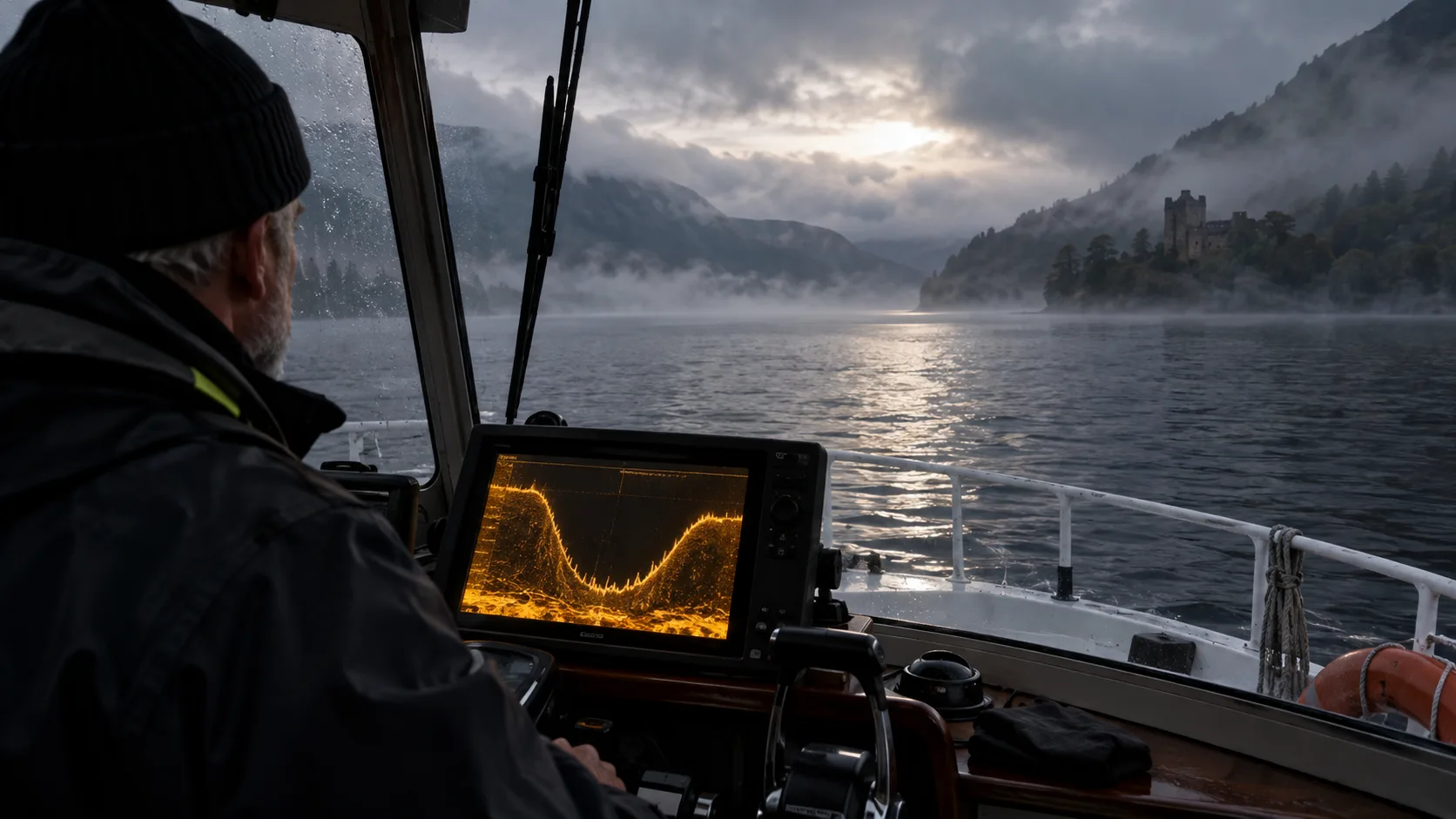
The discovery was made by former fisherman Keith Stewart, who now operates a tourist sightseeing boat. While conducting surveys with state-of-the-art sonar equipment, Stewart discovered a new trench in the loch around nine miles east of Inverness. The trench is some 900 feet deep, more than enough for large cryptids to hide.
Previously, the loch was recorded as having a depth of 813 feet, but the new trench measures 889 feet. The deepest loch in the UK is Loch Morar at 1017 feet, and not surprisingly, it’s also associated with a strange cryptid, known as a water kelpie.
One reason the new trench was missed in until now is its proximity to the shore. Previous studies had concentrated on the centre of the loch as the likely deepest part. Further studies will be conducted to confirm the discovery and to see if there are any other deeper parts in the area surrounding it.
Original publication credit
Original title: New Discovery May Help Find The Loch Ness Monster. The preserved copy has no named writer credit. Originally published February 14, 2016.