Historical report Davydovka, Voronezh Oblast, Russia

Davydovka’s Goat-Sucker Summer: Voronezh Livestock Panic, 2015 (2026 Archive)

2026 archival feature on July 2015 Davydovka, Voronezh chicken/goose killings framed as chupacabra-type — fang marks, little blood, official dog theory.

By Cryptid deskFirst published Updated 5 min read
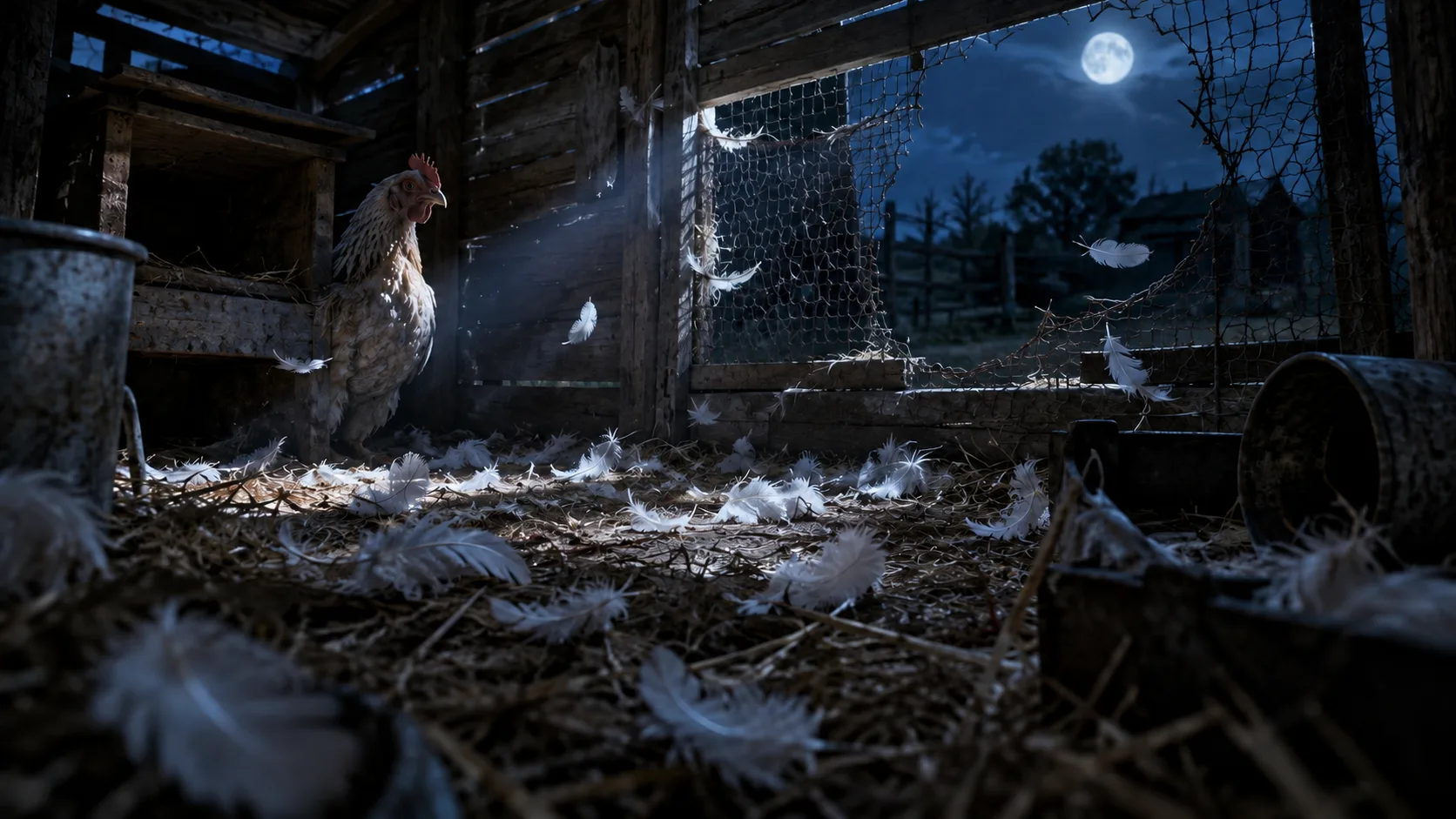
A Russian village henhouse at 1 a.m.

Sign in to save stories to your shelf.

Original reporting date: August 28, 2015.

Core incident window in the original desk: July 2015 (and a recalled spree about two years earlier).

Monstrum Athenaeum’s chupacabra-type Russia package filed late August 2015. The URL is a historical predecessor. This 2026 piece is a brand-new archival feature — hypersensational, conspiracy-curious, salt heavy — about a livestock panic, not a field manual for predators and not a claim that El Chupacabra holds a Voronezh passport today.

Relative timing was the landmine. The 2015 copy said “Beginning in July of this year…” That “this year” is 2015. In 2026 we nail the month to the wall so Google does not serve this as a fresh Eastern European cryptid tip.

What villagers and papers said happened that July

According to the 2015 Athenaeum digest of local newspaper accounts, the Golubev household in Davydovka woke to find ninety-five chickens dead overnight. The next day, separate kills of forty-five and fifty-five hens hit other spots around town. One man said a predator tore through wire, left a single hen, which he moved “somewhere safe” — only for the remaining bird to die after the creature returned. Cruel efficiency, if the quote is straight. Still a quote.

Three days later, another household lost chickens plus five dozen geese. A farmer heard battering around 1 a.m. for roughly three minutes; husband away, infant at home, she did not go out. Morning: all but one hen dead. Fear is rational. Species ID is not automatic.

Locals, the piece says, reported visible bite marks from large fangs and a noticeable lack of blood — the rhetorical bridge to Latin America’s chupacabra (“goat-sucker”) lore. Bridge ≠ DNA match. Lack of blood at a kill scene can mean many mundane things: scavenged carcasses, different wound mechanics, delayed discovery, rumor inflation. The 2015 desk leaned into the cryptid rhyme. We keep the rhyme labeled as rhyme.

The earlier spree and the thin dog

The same package recalled killings about two years prior — hundreds of chickens — blamed on dog or wolf despite thin physical proof. Tracks allegedly implied an animal around ninety pounds, bigger than locals expected. One witness described a strange dog-like animal: thin body, short dark-brown hair, elongated muzzle; another speculated recent birth from visible nipples. Official line, per the 2015 desk: dog, strangling rather than bloody biting. At least one local rejected that, saying dog-killed chickens leave blood everywhere.

Conspiracy-curious entertainment read: maybe officials preferred “dog” to “international cryptid tourism.” Skeptical read: dogs, wolves, feral packs, disease dumps misread as fang theater, or rumor inflation after the first 95-bird morning. Both fit in a paragraph. Neither gets a Latin American boarding pass stamped. The 2015 closer’s speculation that offspring would increase attack frequency stays speculation — we do not promote it into a verified breeding pair in 2026.

Archival ethics for livestock panic files

Do not invent farm street addresses. Do not publish gore galleries. Do not tell readers to hunt unidentified animals across Voronezh oblast based on a decade-old digest. If livestock are dying now, that is a local veterinary / agricultural authority problem — not a cryptid safari booking.

What this 2026 archive refuses to do

  • Will not claim a verified chupacabra in Voronezh in 2015 or 2026.
  • Will not invent later convictions, cull totals, or “offspring” status as fact.
  • Will not give guidance on capturing or killing unknown predators beyond “call local authorities / vets.”

Why “chupacabra-type” traveled from Puerto Rico to Voronezh

By 2015 the chupacabra brand had already gone global as a template for blood-poor livestock kills — a media shape more than a taxonomy. Russian village papers describing fang marks and dry scenes slotted neatly into that template, and English-language cryptid desks (including the Athenaeum) amplified the rhyme. Amplification is not identification. A ninety-pound thin dog with an elongated muzzle, if the witness sketch holds, is still closer to canid weirdness than to a Caribbean pop-cryptid passport.

The 2015 closer warned that offspring would worsen attacks. That sentence is horror-movie logic riding a news digest. We leave it in the jar as 2015 speculation, not as a verified breeding event, and we invent no follow-up cull numbers or quiet government capture myths for 2026.

Grain of salt the size of a sunflower seed truck: Bloodless hens and fang talk are catnip for cryptid desks worldwide. Catnip is not a specimen. The August 28, 2015 filing — covering July 2015 Davydovka — is the dated predecessor. This page is the 2026 lid.

Bottom line: In July 2015, Davydovka farmers reported mass chicken and goose killings with fang marks and little blood; press and the Athenaeum floated chupacabra comparisons while officials leaned dog; an earlier regional spree haunted the narrative. A decade on: dated panic + attributed claims + open skepticism.


Sources

  • Claim element: Historical predecessor news brief — Attribution: Monstrum Athenaeum, first published 2015-08-28 — Link: Russian Farm Animals Wiped Out in Chupacabra-Type Attack
  • Claim element: Chupacabra folklore context (not proof of ID) — Attribution: Public cryptid overviews — Link: Chupacabra (Wikipedia overview)
  • Claim element: Davydovka geography — Attribution: Village centroid — Link: Exact farm pins unpublished

About this article

Entertainment / historical cryptid commentary only — not scientific confirmation that a chupacabra exists in Russia, not veterinary advice, and not a guide to handling livestock predators. If animals are being killed, contact local authorities and agricultural/veterinary services — do not hunt unidentified animals based on internet lore. Descriptions are attributed to the 2015 Athenaeum summary of third-party reports. This 2026 article is a brand-new legacy refresh; the 2015 URL is a historical predecessor, not a prior publication of this text. MonstrumAthenaeum.org is for mature audiences who can tell a panic from a species.

Original publication credit

Original title: Russian Farm Animals Wiped Out in Chupacabra-Type Attack. The preserved copy has no named writer credit. Originally published August 28, 2015.
Continue reading.

Stay with the strange.

Explore the front page →