Science review Philadelphia, Pennsylvania (company HQ reported in 2016 coverage); trial site originally proposed in India (Rudrapur area reporting)

Scientists Tried to “Reanimate” Dead Brains: Bioquark’s 2016 Claim, What Happened Next (2026)

In 2016 Bioquark pitched reversing brain death with stem cells and lasers. Dated archive of the claim, trial hiccups, and why zombie panic was never science.

By Cryptid deskFirst published Updated 6 min read
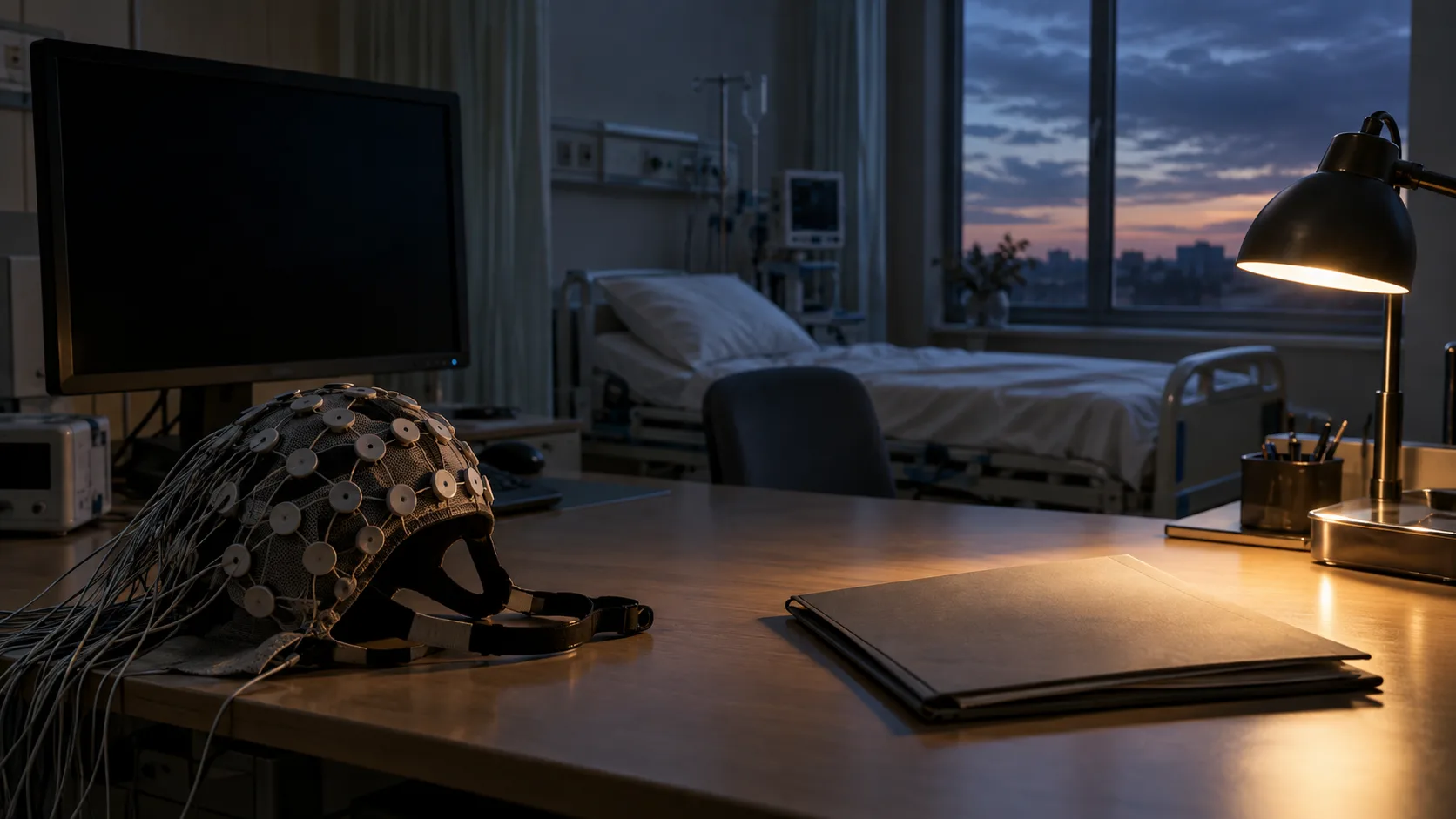
An EEG cap and closed folder sit beside a switched-off monitor in an empty hospital research room.

Sign in to save stories to your shelf.

In June 2016, this desk freaked out — on purpose — about a Philadelphia company that said it wanted to reverse brain death.

Cue every Romero metaphor in the building.

That page is a historical predecessor. This 2026 rewrite keeps the sensational headline energy and upgrades the adult part: what was claimed then, what reporters could verify later, and why “zombie science” was always popcorn, not a protocol.

Grain of salt the size of an MRI magnet.

The 2016 claim (dated, not current)

According to contemporary coverage around spring–summer 2016, Bioquark Inc. — CEO often named as Ira Pastor — floated a proof-of-concept effort sometimes discussed under the ReAnima banner. The pitch, as companies and reporters framed it then: try a multimodality stack (stem cells, bioactive peptides, nerve stimulation, laser approaches) on patients already declared brain-dead after traumatic injury, looking for any clinical or EEG flicker that might challenge the finality of brain death.

Brain death, in medicine, is treated as a legal and clinical endpoint — not a “mostly dead” movie gag. Pastor and allies claimed that endpoint might be more negotiable than textbooks allow. Skeptics said the framing was ethically radioactive and scientifically thin.

Our 2016 predecessor leaned hard into undead jokes. Fair for a cryptid entertainment site. Unfair if anyone read it as a how-to.

What “cellular level” meant in the press

Pastor was quoted suggesting early work would be so subtle that only sophisticated tests — MRI, spinal fluid, blood markers — might detect change. The company claimed possible future relevance for traumatic brain injury, spinal issues, even Alzheimer’s-adjacent hope narratives.

That is aspirational marketing language from 2016, not a peer-reviewed victory lap. No established clinical consensus ever declared brain-dead patients “reanimated” into ordinary living persons via Bioquark’s stack.

Would a hypothetical “recovery” even look like the person you knew? Personality, motor control, identity — those were the horror-movie questions our older piece loved. They remain philosophical scare prompts, not documented outcomes.

Later status (verified as of 2026 desk check)

WebSearch in September 2026 for later status turns up a messy trail — which is exactly why you do not present 2016 as “scientists are currently doing this” without a caveat stamp.

Reporting from Scientific American and STAT (notably 2017 follow-ups) described the India-based start: registry buzz around NCT02742857, a Phase 1-style single-group concept study, with the Indian site story ending badly — no patients enrolled in the initial India launch as reported, and regulators shutting that start down (November 2016 reporting) over clearance problems.

Pastor later claimed interest in relocating (Latin America was floated in interviews). Trial-registry mirrors later show the NCT entry marked Completed with dates stretching toward August 2020 in some mirrors — yet secondary literature and explainers still note no published peer-reviewed demonstration that brain death was reversed by this protocol. A 2021 cell-therapy review summarizing NCT02742857 likewise reported no available results at that writing.

Bottom line for readers in 2026: treat Bioquark/ReAnima as a controversial 2016–era claim and troubled trial narrative, not as current proof that science is “raising the dead.” Company fortunes and private follow-on anecdotes are not the same thing as mainstream clinical acceptance.

Zombies were never the protocol

Let’s be painfully clear for the SEO bots and the conspiracy-curious alike:

  • This article is entertainment + dated science journalism folklore.
  • It is not guidance on synthesizing, enhancing, or weaponizing pathogens.
  • It is not a lab manual for “reanimating” anyone.
  • Undead outbreak scenarios stay in fiction, tabletop, and epidemiology toys (see Cornell’s 2015 zombie model piece in our refresh slate) — teaching metaphors, not recipes.

If your takeaway from a stem-cell controversy is “how do we make zombies,” you have failed the reading-comprehension boss fight.

Why the story stuck

Because the phrase “reanimate dead brains” is pure monstrum bait. It sits at the junction of Frankenstein anxiety, ICU tragedy, and every cable special that whispers what if. Conspiracy-curious brains hear “they’re hiding the breakthrough.” Skeptical brains hear “they’re selling hope adjacent to a definition medicine treats as final.”

Both camps should want the same thing: dates on claims, outcomes when available, and humility when registries go quiet.

How to read “breakthrough” science headlines in 2026

  • Demand the year of the claim.
  • Separate press release from peer-reviewed result.
  • Ask whether a trial enrolled patients and published data.
  • Treat brain-death ethics as sacred ground, not clickbait fuel.
  • Keep zombie metaphors in the entertainment lane.

What we refused to do

We will not invent a successful reanimation. We will not pretend the 2016 pitch is today’s clinical standard. We will not provide procedural, dosing, or “try this at home” anything. We will not frame pathogen or neurological catastrophe as a DIY project.

Salt freely. The dead stay dead in the medical sense until — and unless — extraordinary, transparent evidence says otherwise. As of this 2026 rewrite, Bioquark’s saga is a cautionary archive entry, not a resurrection receipt.


Timeline you can actually use

  • April–July 2016: ReAnima / Bioquark concept hits international science media; registry identity NCT02742857 enters the bloodstream of blogs and ethics columns.
  • November 2016 (reported): Indian regulatory problems halt the initial site story; coverage emphasizes zero enrolled patients at that start.
  • 2017: Pastor tells outlets a relocation/restart is in the works; Latin America is named in interviews as a possible next stage — still a claim about plans, not a published success.
  • Through ~2020: Some registry mirrors later show completion dating; secondary reviews still shrug — where are the peer-reviewed reversal data?
  • 2024–2026 desk read: Treat the saga as archival controversy. Do not upgrade a quiet registry line into “science reanimates the dead now.”

Ethics panic was the real story

Even sympathetic futurists flinched. Who consents for a brain-dead subject? How do you avoid false brain-death confounders (drugs, toxins, incomplete testing)? What does a flicker on EEG mean if it never becomes a person who wakes, speaks, and walks out? Horror fiction loves the gap between signal and self. Medicine has to live in that gap without turning families into experimental props.

Our entertainment site can say the quiet part loudly: the zombie metaphor is emotionally honest about public fear and ethically useless as a lab compass. Fear is not a method.

Sources

  • Claim element: Historical predecessor (June 8, 2016) — Attribution: Monstrum Athenaeum original — Link: Scientists Working To Reanimate Dead Brains
  • Claim element: Trial concept / ethics coverage — Attribution: Scientific American feature on controversial brain-death trial — Link: Resurrected: A Controversial Trial…
  • Claim element: India shutdown / restart claims (2017) — Attribution: STAT News — Link: Controversial trial plans a restart
  • Claim element: Registry identity NCT02742857 — Attribution: Clinical trial mirrors summarizing Bioquark study — Link: NCT02742857 summary mirrors
  • Claim element: Literature note: no results available (context) — Attribution: Biomedicines 2021 cell-therapy review citing NCT02742857 — Link: DOI 10.3390/biomedicines9060669

About this article

Entertainment and historical science-claim commentary only — not medical advice, not clinical guidance, and not instructions for any procedure involving brain death, stem cells, peptides, lasers, nerve stimulation, or related interventions. Brain death determinations belong to licensed clinicians and the law. No pathogen synthesis, enhancement, or weaponization content is provided or implied. This 2026 article is a brand-new legacy refresh; the 2016 URL is a historical predecessor, not a prior publication of this text. MonstrumAthenaeum.org is for mature audiences who can separate a press claim from a textbook.

Original publication credit

Original title: Scientists Working To Reanimate Dead Brains. The preserved copy has no named writer credit. Originally published June 8, 2016.


Continue reading.

Stay with the strange.

Explore the front page →