Cultural history Kingston upon Hull / East Yorkshire, England
Old Stinker and the Missing Wolves: Sam George’s 2019 Study
Sam George’s 2019 study reads Hull’s Old Stinker through vanished wolves and an uneasy landscape, asking what absence can make a monster mean.
Sign in to save stories to your shelf.
Why should a werewolf appear in a landscape where the wolves have disappeared?
That question runs through Sam George’s 2019 Gothic Studies article on Old Stinker, the wolf-like figure associated with Hull and the Yorkshire Wolds. Her argument gives absence a place in the story: the missing animal can remain powerful in the imagination long after it is gone from the landscape.
George begins with older explanations that linked England’s supposed lack of werewolf tales to the disappearance of its wolves. She turns that relationship around, reading British werewolf stories alongside places where wolves once lived.
The open author manuscript brings the Hull reports into a discussion of the English eerie, environmental loss and cultural unease. George’s werewolf is a figure through which a landscape can seem haunted by what it no longer contains. That is an interpretation of stories and their setting, rather than a laboratory explanation of an encounter.
It opens an interesting second route through the Old Stinker accounts. The question of what a witness saw remains one line of inquiry. Another asks why a wolf’s shape can feel so charged in a place that has lost the animal itself.
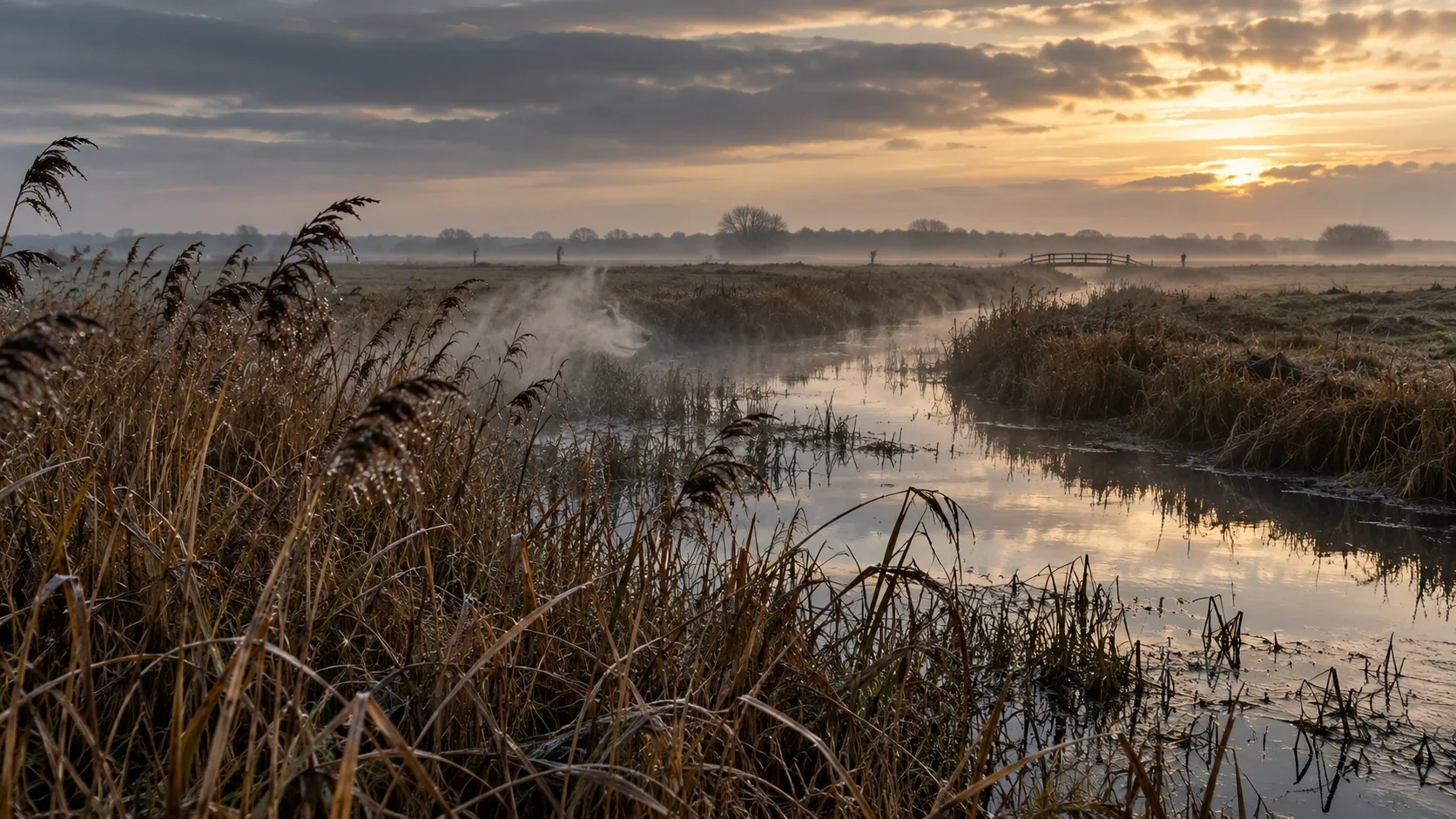
A missing species does not leave a completely empty space. Names, warnings and stories can persist after the living creature has gone. George’s study puts that persistence beside the drain and the fields, where a modern werewolf report can carry more than one kind of unease.
Source
Original landscape illustration inspired by the study’s themes; not an Old Stinker sighting photograph.