Standard cryptid news / update Rural area north of Río Mayo, Chubut, Argentina; La Lucía named in the police-response report
Río Mayo Horse Deaths: Police Cite Scavengers and Climate
Comisario Mulero: Rio Mayo horses dried by sun and wind, soft tissue lost to scavengers. "Mito rural," not a UFO. Estancia La Lucia. Fiscalia may still order vet samples.
Sign in to save stories to your shelf.
One day after Spanish headlines asked whether a chupacabras had found Chubut, the police walked into the frame with a drier vocabulary.
On September 2, 2026, ADNSUR ran a “Misterio resuelto” package: five equines found dead on a rural establishment near Río Mayo; soft tissue gone from jaws, eyes, and viscera; social media already stocked with mito rural, strange-light talk, and paranormal “mutilation” framing. The chief of the regional unit, Comisario Cristian Mulero, told the press the working read is not a sky beast. It is sun, wind, dehydration, and scavengers.
This page is a stand-alone refresh of the desk's earlier filing on the same case — soft-tissue horse deaths plus unverified light claims (Five Horses Dead Near Río Mayo). We do not walk back that ring-fence. We add the official lean, name the estancia the police say they entered, and keep the Fiscalía and veterinary caveat open. Not proven chupacabra. Not proven UAP. An official explanation is not a finished necropsy.
What changed overnight: from "¿chupacabras?" to "mito rural"
The Sept. 1 ADNSUR report — built around rancher Francisco Quilodrán's account and Radio Nacional interview material — put five dead horses, missing soft tissue, little blood, and no predator sign the producer recognized into national cryptid coverage. Light-in-the-sky talk stacked after the photos moved. ADNSUR itself said then that no proof linked those lights to the carcasses, and this desk kept that sentence in place.
Sept. 2 shifts the microphone. After the find became public on social media, the Policía del Chubut intervened de oficio. Officers from the Comisaría de Río Mayo went to the ganadero establishment “La Lucía,” north of the locality. Mulero, speaking on Ahora en Comodoro and quoted by ADNSUR, said they found the equines' remains scattered across zones and that the animals had already been dead for some time. Inspection, he said, turned up no outsiders, no abigeato (cattle-theft) indicators, and no knife perforations that would suggest an external human factor.
That is the official scene sketch. It does not erase Quilodrán's earlier shock. It reframes the optics that sold the chupacabra headline.
Mulero's differential: climate first, scavengers on the soft parts
Mulero — eight years in the División de Seguridad Rural, per ADNSUR — was blunt about method: evidence, not rumor. “Toda esta idea de fenómenos sobrenaturales, luces en el cielo o mutilaciones es un mito rural,” he said. The soft-tissue pattern that looked surgical to a frightened campo, he argued, has a biological and climatic sequence.
Sun, wind, dehydration. On the Patagonian steppe, he explained, skin dries and contracts rapidly over bone. A carcass discovered late can look “mummified” or oddly tight without a midnight scalpel.
Scavengers on the wet spots. Lesions on soft, moist zones — jaw, eyes, viscera — track what carrion birds, scavenger mammals, and insects hit first. Preferential soft-tissue loss after death is a worldwide livestock-mutilation motif. It is also ordinary ecology once an animal is down and the discovery clock runs long.
Why five at once? Asked about simultaneous deaths, Mulero pointed at steppe hardship: climate, lack of water, scarce pasture, or animals eating something in a bad patch that “les cayó mal.” That is a working climate and forage hypothesis, not a published toxicology panel.
The honest read: delayed discovery plus arid drying plus scavengers, riding a press cycle that already knew the 1990s Puerto Rico brand name. Monstrum Athenaeum has not inspected La Lucía, has not seen the acta, and has not received a necropsy. This is attributed police speech about a genuine livestock loss.
Folklore vs official, and the door Fiscalia still holds
Street / folklore lane: soft tissue gone, little-blood talk from the first package, the chupacabra keyword, UFO and light chatter after the photos. That lane does not vanish because a comisario says “mito rural.” Panic has a half-life longer than a press cycle.
Official lane: no strangers, no rustling sign, no knife work; death first, then scavengers; drying from sun and wind; possible climate, water, pasture, or forage misadventure as the multi-death driver. Lights and paranormal mutilation filed under rural myth.
Still open per the same ADNSUR copy: after the inspection, police drew up an acta de oficio citing a possible animal-mistreatment or damage infraction and forwarded the file to the Ministerio Público Fiscal. Justice, the paper says, will decide whether a médico veterinario must analyze samples to confirm the exact cause of death.
That is why “misterio resuelto” is a press angle, not a closed verdict. Mulero's explanation is the clearest official lean on the record. A Fiscalía-ordered veterinary pass would be the scientific one. As of the cited Sept. 2 reporting, that pass is possible, not published.
Lights: still ring-fenced, still unlinked
The Sept. 1 package stacked secondhand light claims — Orizon-corridor “plato” talk, night lights, messages from as far as Puerto Deseado — and ADNSUR already unhooked them from the five deaths. Mulero's “luces en el cielo = mito rural” line is the official echo of that unhook, not new UAP evidence and not a reason to promote lights into causation. The ring-fence stays: lights remain unverified and unlinked.
Geography without the trespass fantasy
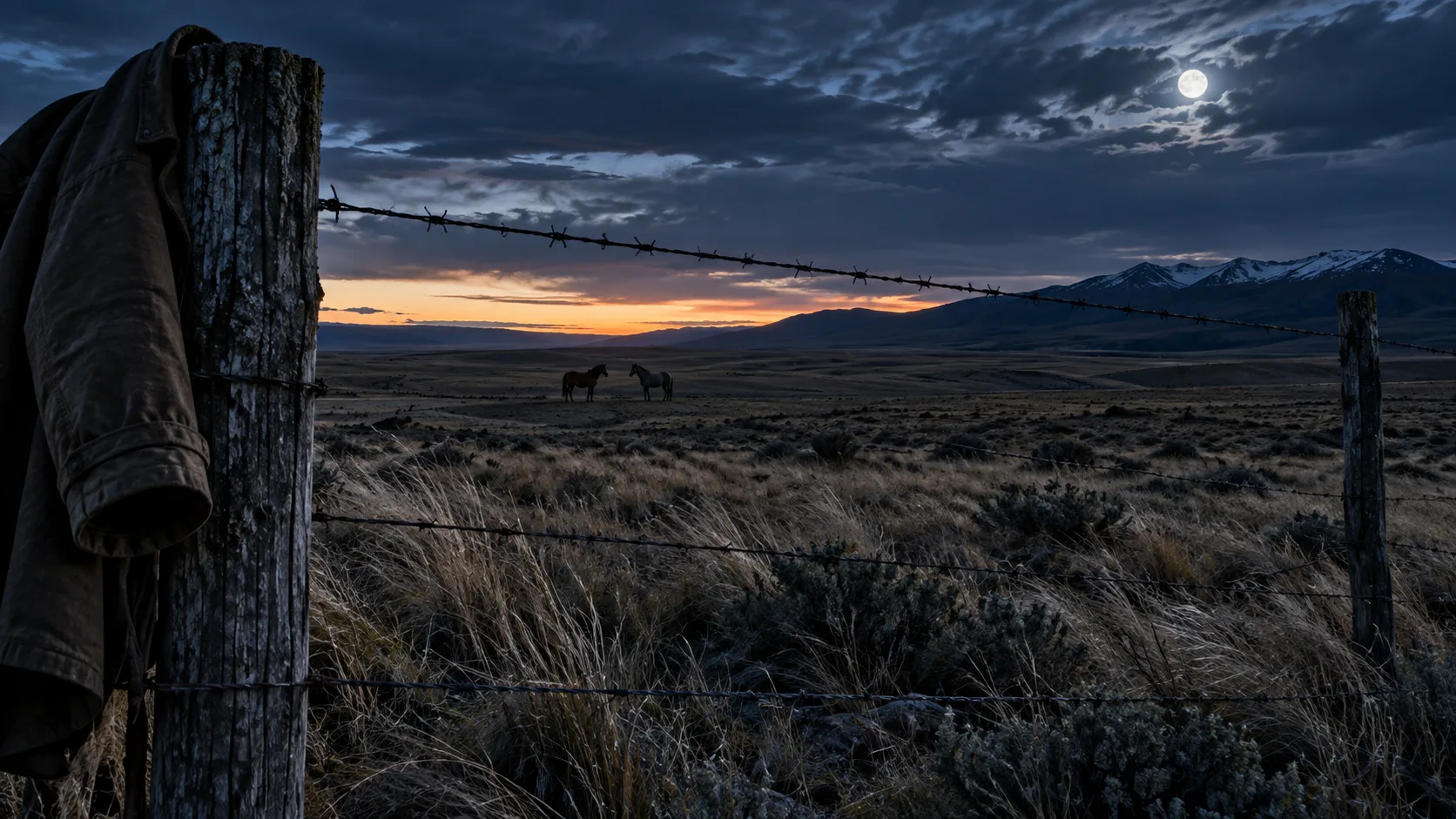
The publishable pin is the town of Río Mayo, Río Senguer Department, southwest Chubut, Argentina (CPA U9030). Press now names the site estancia “La Lucía,” north of town; the exact ranch coordinates stay unpublished. The earlier corridor note (about six kilometers toward Ricardo Rojas and Alto Río Senguer) belongs to the first ADNSUR peg and is not contradicted here. Dead livestock on private land remain a veterinary, owner, and now Fiscalía problem, not a cryptid safari.
Where the story stands
In early September 2026, five horses found dead near Río Mayo, Chubut, with soft-tissue loss that fed chupacabra and light talk, drew an oficio police response at estancia La Lucía. Comisario Cristian Mulero attributes the “mutilated” look to sun, wind, dehydration, and scavengers (birds, carrion animals, insects), rejects knife, abigeato, and outsider indicators, and labels the supernatural, light, and mutilation framing a mito rural. Multi-death causes he sketched: climate, water, pasture scarcity, or bad forage. Proceedings went to the Ministerio Público Fiscal; a veterinary sample analysis may still be ordered. The prior filing on soft tissue and unverified lights stands as context, and the lights stay unlinked. Not proven chupacabra. Not proven UAP. An official lean is not a finished necropsy.
For pattern literacy, compare the prior Río Mayo package and the Alagoas Agreste police-vs-folklore file.
Sources
- ADNSUR — “Misterio resuelto: la explicación oficial sobre los caballos ‘mutilados’ hallados en Río Mayo” (Sept. 2, 2026; Comisario Mulero remarks also attributed to Ahora en Comodoro)
- ADNSUR — “¿Un chupacabras en Chubut?” (Sept. 1, 2026; prior peg, lights unlinked, necropsy flagged)
Entertainment / cryptid-news commentary only — not scientific confirmation of a chupacabra, unknown predator, or UAP event in Chubut, and not a substitute for police or veterinary findings. Soft-tissue livestock claims, light anecdotes, and the official scavenger/climate explanation are attributed to third-party press and named officials or interviewees; Monstrum Athenaeum has not performed field inspection or necropsy. ADNSUR's Sept. 1 reporting stated no proof connecting claimed lights to the horse deaths; treat light reports as unverified and unlinked. Comisario Mulero's “mito rural” and scavenger-climate lean is an official explanation as reported, not a published laboratory close. Fiscalía may still order veterinary sample analysis per the cited press; do not treat “misterio resuelto” headlines as final forensics. If livestock are dying, contact local authorities and veterinary services; do not trespass on private campos (including estancia La Lucía). Sensitive carcass imagery belongs on the originating news pages. MonstrumAthenaeum.org is for mature audiences who can tell a panic from a species.