Historical report Payson Canyon, Utah County, Utah, USA (south of Salt Lake Valley / near Payson)

Payson Canyon Bigfoot Clip: The 2015 Tape That Hit 2016 (2026 Archive)

Archival 2026 feature on the spring 2015 Payson Canyon UT Bigfoot clip circulated Feb–Mar 2016. Meldrum skepticism noted. Orig. Athenaeum 2016-03-29.

By Cryptid deskFirst published Updated 5 min read
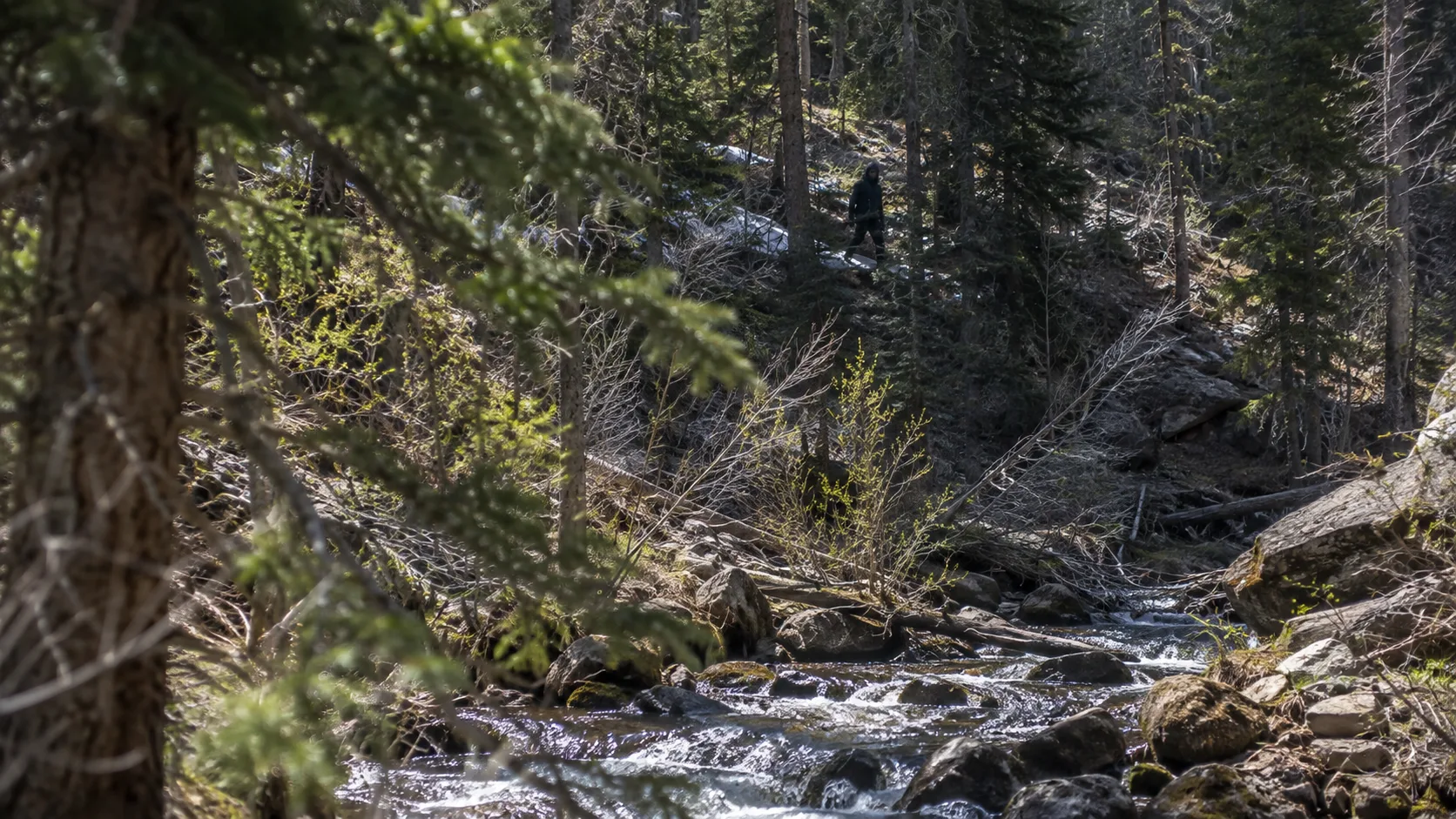
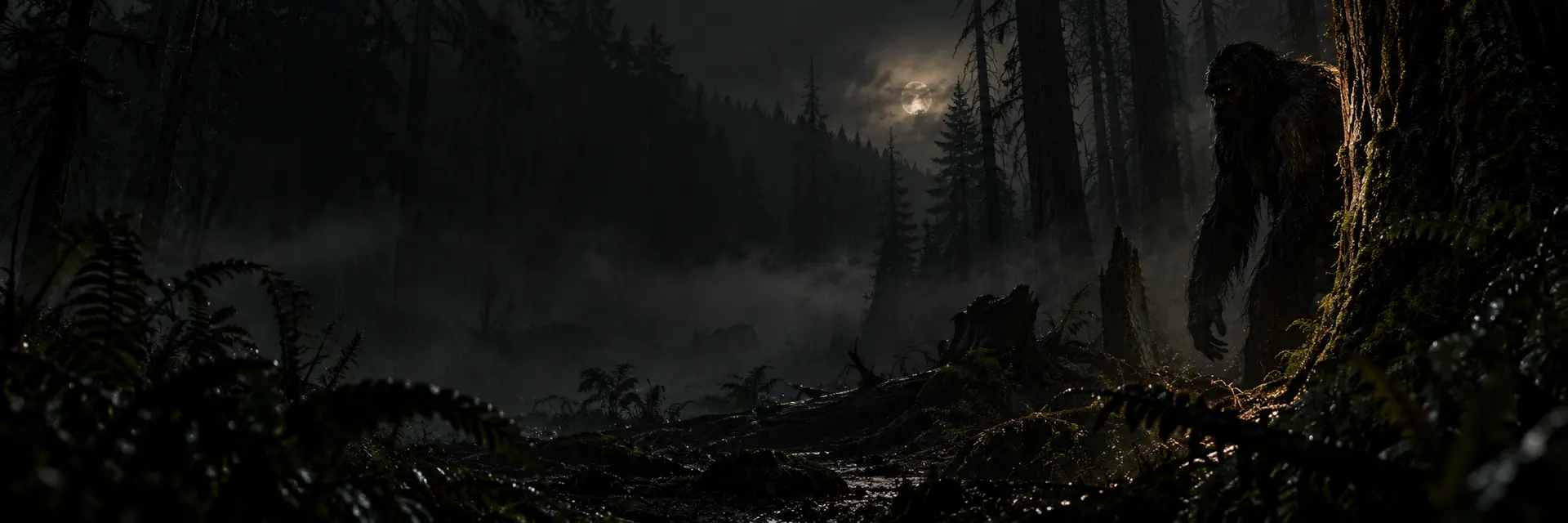
A Utah canyon hillside in spring near Payson, a snowmelt creek in the foreground and a steep wooded slope beyond, a dark upright broad-shouldered figure moving through the trees a couple hundred feet out, glancing toward the camera before slipping into brush — rendered with the soft grain of a distant zoomed clip.

Sign in to save stories to your shelf.

Utah keeps donating bipeds to the internet.

On 29 March 2016, Monstrum Athenaeum published Nature Photographer Captures Unexpected Bigfoot Footage. The clip itself, according to period local media, was said to have been shot in spring 2015 in Payson Canyon, then circulated widely in mid-February 2016 via The Paranormal Review YouTube channel. This 2026 article is a brand-new archival feature — timeline first, hype second.

What the tape allegedly shows

Period descriptions (KSL, Fox 13, Irish Mirror weird-news desk, etc.) converge on a short clip — often cited around 46 seconds — that starts on creek/runoff scenery before the camera swings to a wooded hillside. A dark, upright figure moves through trees roughly a couple hundred feet out, per the Athenaeum's later summary. Broad shoulders. Bipedal gait. A head-and-torso silhouette that Bigfoot fandom reads as classic and skeptics read as “person in dark clothes plus wishful zoom.”

The Athenaeum's March 2016 write-up said the figure appeared to glance toward the photographer, then vanish into hillside brush — “unperturbed.” That is narrative coloring on a brief, distant shape. Treat it as such.

Why the photographer (said he) waited

Upload framing claimed the unnamed nature photographer delayed sharing out of embarrassment — fear of being called crazy. Convenient for mystery branding. Also human. Delayed release is not proof of authenticity or of hoax; it is a storytelling beat Jeff Meldrum and others openly questioned.

Meldrum's grain of salt

Idaho State University's Dr. Jeff Meldrum, long associated with footprint-focused Sasquatch research, examined the buzz in February 2016 commentary. Coverage in outlets such as the Idaho State Journal summarized his doubts: why not pursue? why nearly a year to release? and — for gait nerds — the clip lacked the distinctive locomotion he associates with the 1967 Patterson–Gimlin film standard.

Important label: Meldrum is a prominent interested scientist/researcher in the Bigfoot debate, not a court. His skepticism here is expert opinion on a viral video, not a lab demolition of every Utah sighting forever.

Utah's crowded canyon reel

The 2016 Athenaeum piece nodded at other Utah canyon clips — Provo, American Fork, Alpine Loop chatter on the same YouTube ecosystem. Pattern: mountain recreation corridors + shaky zooms + comment-section taxonomy. Volume of clips ≠ validated population biology.

Hoax suitability vs. flight instinct

Skeptics note the brevity and distance are perfect for costume or mis ID. Defenders argue anyone spotting something large and unknown might freeze, film badly, and leave — which is also how humans behave around moose, bears, and their own adrenaline. Both arguments fit the same 46 seconds. That is why the file never closes.

Anatomy of a 46-second religion

Short clips dominate modern Sasquatch media because phones and action cams democratized “evidence.” They also democratized ambiguity. A figure two hundred feet out cannot show dermal ridges, midtarsal flexibility, or facial prognathism. Viewers fill gaps with prior belief. That is not a moral failure. It is how human vision works under hope and dread.

Utah's mountain brand

The Wasatch and adjacent canyon systems already sell recreation, avalanche reports, and occasional moose-in-backyard chaos. Bigfoot talk rides the same infrastructure: trailheads, YouTube channels, and newsrooms that know a weekend weird hit outperforms another traffic snarl. Payson Canyon's 2015/16 moment sits in that economy. Local TV did its job: show the clip, ask the audience, cut to weather.

Patterson–Gimlin as the unfair yardstick

Every modern video gets compared to 1967. Fair for gait nerds; brutal for random nature photographers who did not choreograph a creek-side walk cycle. Meldrum's skepticism used that yardstick. Believers counter that demanding PG-film quality from accidental footage is a stacked deck. Both arguments can be true simultaneously — which is why comment sections never adjourn.

What “unexpected” did in the Athenaeum headline

Unexpected Bigfoot Footage sells innocence: photographer wanted birds, got legend. Innocence framing reduces hoax suspicion in readers' minds. It is also a classic narrative template. Templates are not disproof. They are reasons to keep verbs like allegedly on payroll.

2026 viewer hygiene

Watch the upload if you must. Do not harass canyon visitors. Do not treat enhanced stills as courtroom exhibits. Do not invent a named photographer doxx. File under historical viral cryptid media — spring 2015 claim, February 2016 blast, March 2016 Athenaeum echo.

Parallel Utah clips — context, not pile-on proof

The Athenaeum's 2016 note about Provo Canyon and American Fork Canyon glimpses sits in the same YouTube weather system as Payson. More clips can mean more animals, more hoaxers, or more hikers with zoom lenses. Quantity without quality control is a playlist, not a population survey. Keep Payson dated and separate unless a serious multi-case study (with methods) appears — none is asserted here.

Embarrassed photographer as genre device

Delayed release “because I feared mockery” appears across Bigfoot media. Sometimes it is true. Sometimes it is a story that buys sympathy and explains missing metadata. Either way, a year-long drawer sleep for a spring 2015 clip became part of the February 2016 marketing. Note it; do not swear to motive.

Archival bottom line

Filmed (claimed): spring 2015, Payson Canyon. Viral window: February 2016. Athenaeum predecessor: 29 March 2016. This refresh: September 2026, archival, no upgrade to “confirmed Sasquatch.”

Conspiracy-curious readers can keep the alien-adjacent Utah mountain lore humming. This desk keeps the verbs honest: allegedly, according to, circulated as.

Salt the zoom. Respect the canyon. Don't invent a body.


Sources

  • Claim element: Historical predecessor (2016-03-29) — Attribution: Monstrum Athenaeum — Link: Nature Photographer Captures Unexpected Bigfoot Footage
  • Claim element: Feb 2016 local circulation; spring 2015 claim — Attribution: KSL.com; Fox 13 — Link: KSL Payson Canyon; Fox 13
  • Claim element: Meldrum skepticism / gait comments — Attribution: Idaho State Journal coverage (Feb 2016) — Link: Was Bigfoot caught on camera in Utah?
  • Claim element: Upload vehicle — Attribution: The Paranormal Review (YouTube) — Link: Bigfoot Sighting in Utah Payson Canyon Send In

About this article

Entertainment and archival media commentary only — not confirmation that the Payson Canyon figure is Sasquatch, not an accusation of criminal hoax against the unnamed photographer, and not a substitute for wildlife safety guidance in Utah canyons (bears and terrain are real). Viral videos can be misidentified, staged, or ambiguous; viewers should assume uncertainty. The 2016 URL is a historical predecessor; this 2026 text is new. MonstrumAthenaeum.org is for mature audiences who can tell a silhouette from a species.

Original publication credit

Original title: Nature Photographer Captures Unexpected Bigfoot Footage. The preserved copy has no named writer credit. Originally published March 29, 2016.

Continue reading.

Stay with the strange.

Explore the front page →