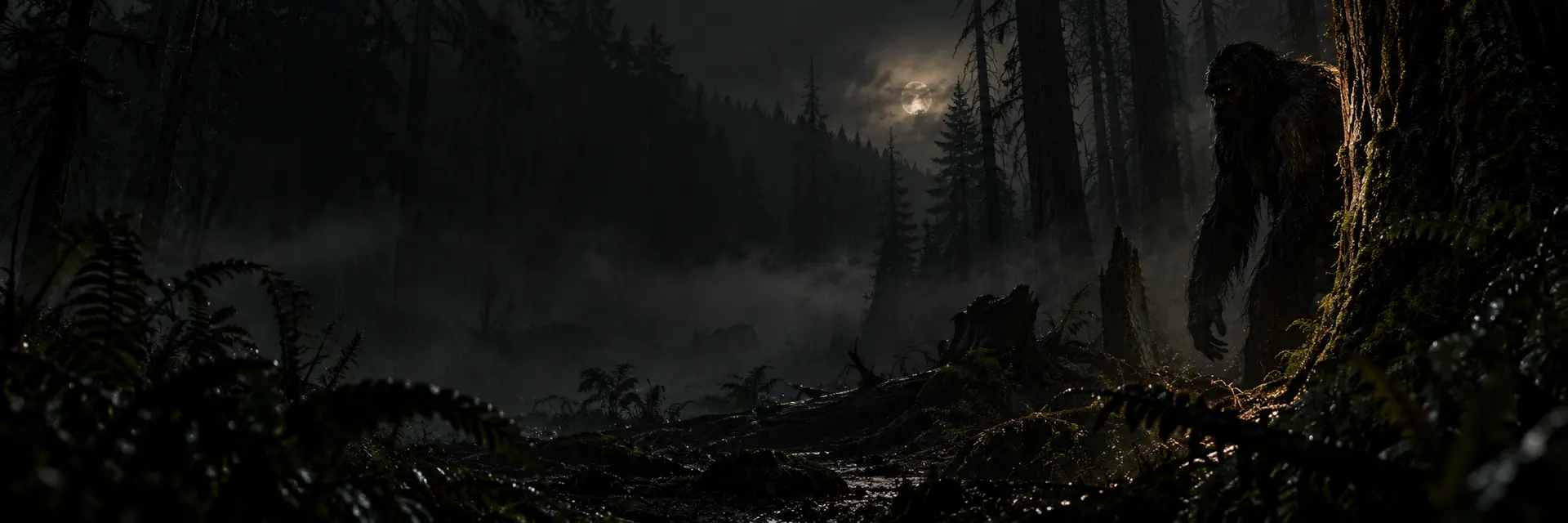
Historical report Lika / Banija (Banovina) / Kordun / Dalmatia region cluster, Croatia (plus Macva, Serbia as cited echo)
Werewolves? Murders Suggest Real Shapeshifters In Croatia
In February of 2010 a rash of grizzly attacks took place in the towns of Lika, Banija, Kordun and Dalmatia (Croatia), which not only targeted livestock, but humans…
Sign in to save stories to your shelf.
In February of 2010 a rash of grizzly attacks took place in the towns of Lika, Banija, Kordun and Dalmatia (Croatia), which not only targeted livestock, but humans as well. The prevailing theory rationalized that a wolf population in those areas had skyrocketed and the animals were simply looking for a means to survive. That’s the official statement but is it really what was taking place? It’s easy enough to put forth the false premise that there’s a pack of wild animals, namely wolves, out terrorizing the countryside. However, let’s not be so hasty in our assessment of the situation. No one wants to go on record and say it wasn’t a pack of wolves but instead a blood thirsty pack of cryptid shapeshifters, werewolves, committing the murders. That would be a ridiculous idea. Or would it…?
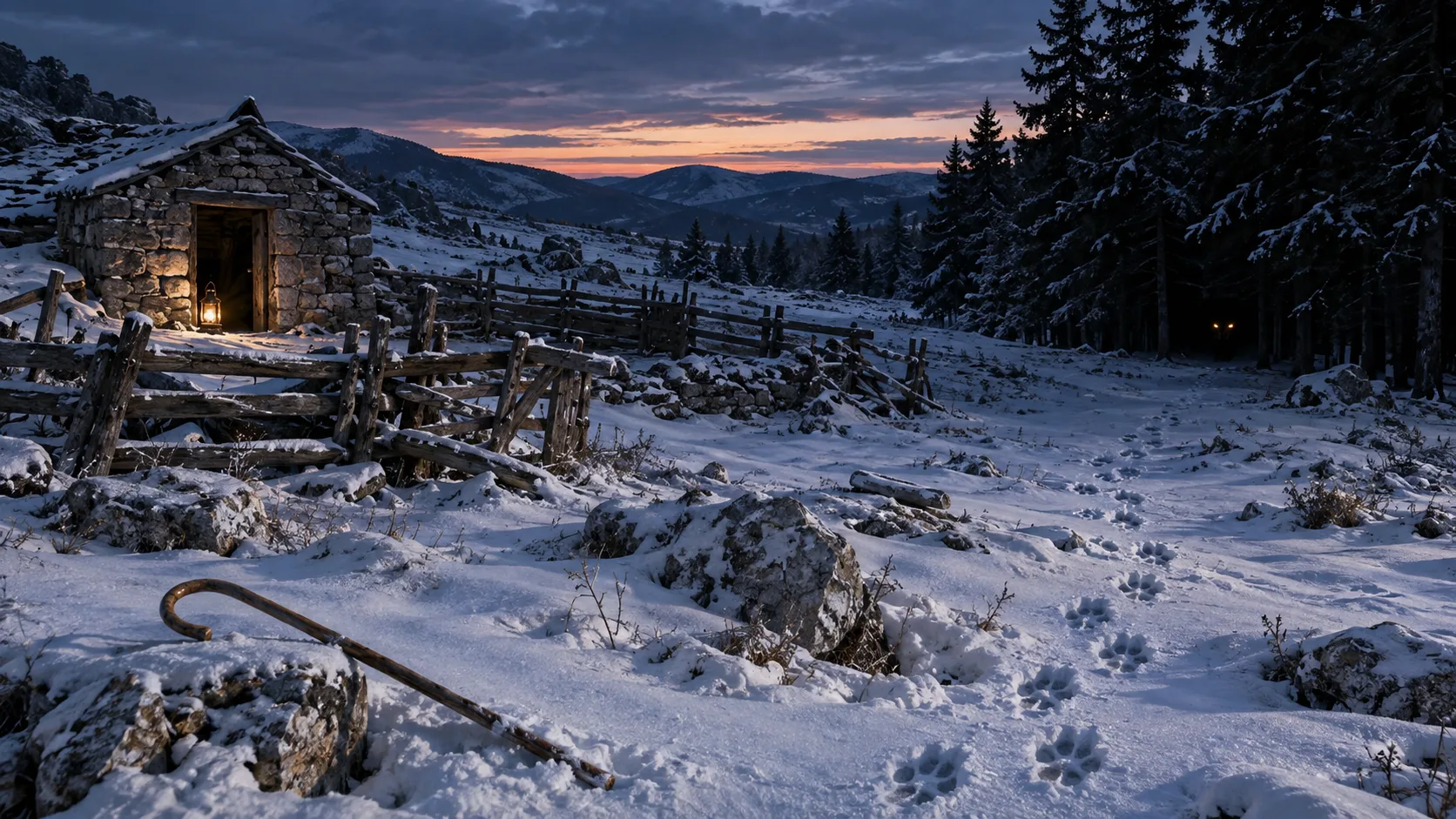
The first attacks claimed the lives of all three victims who were said to have wounds ranging from bite marks all over their bodies to being generally torn apart and almost unrecognizable. A gruesome sight to behold, as well as a horrible fate for the unwary… It doesn’t sound like the work of common wolves, as wolves have a healthy fear of humans; running away from people more times than not. Wolves are also known to leave even the most helpless of livestock in safety if a shepherd is tending to the herd. Not so with these beasts called “wolves”, as shepherds and sheep alike were slaughtered side by side.
Others speculate there was perhaps some sort of hybrid between a large domestic dog and a wolf, similar to theories surrounding the Bray Road Beast, which somehow ended up on the prowl. Was it wild bred, or was it created in captivity, only to escape and forget its gentle beginnings? The idea behind it could explain the fearlessness of the creature, as its domestication would be ever present in its mind. However, this is highly unlikely, as the creation of “super dog” would be a high profile news story and its escape from captivity would be at the forefront of public awareness.
Perhaps the truth lies somewhere between a pack of natural wolves and a pack of shapeshifters. There’s a plausible argument to be made that the best camouflage for cryptids would be to blend in with those natural animals the cryptids are mimicking. Instead of a pack of werewolves, what if a single werewolf was leading a pack of wolves? Ingenious , right? After the werewolf moved on, the wolves would be left to carry the blame and suffer the consequences. We’ve discussed a similar incident involving a motorist who was attacked by a strange looking wolf while the rest of the pack looked on.
With hunters dispatched to track down and destroy the pack of hungry, savage beasts, the authorities of those previously mentioned towns, as well as the public thought the solution was found. There’s only one problem: the attacks continued and the body of the beast responsible was never produced by the hunting teams. So what now? Although they won’t openly admit it, there’s a bigger problem lurking in the darkness somewhere beyond the borders of those towns.
This is not the first time there have been reports of unexplained wolf attacks in this region sounding eerily familiar to a werewolf attack. We recently reported on another probable shapeshifter hunting just a little over 5 hours to the east of Croatia in the town of Macva, Serbia. Less than two years earlier, in 2008, Macva suffered the relentless assault of an unknown creature which slaughtered dozens of farms animals. Fortunately, no villagers were injured in the attacks but the authorities were unable to find the beast which means it’s either still prowling the area or moved on to a new territory. Inexplicably, there was an evident lack of police involvement or interest to stop the shape shifter in Macva which raises doubts about how involved the authorities were in Croatian attacks. The notable difference is no people were killed in Macva while at least three were killed in these attacks. One would argue the authorities would have done everything in their power to find the creature but, instead, came up empty handed.
Whether it’s a legitimate pack of wolves, a hybrid, lab created “super dog”, or the unmentionable abomination known as a shape shifting werewolf, the fact remains the guilty culprit of the committed atrocities is still at large. Thinning out the wolf population may help the species survive food shortages but is it the answer in solving the attacks on people and livestock? Not likely… A better solution would be having a stockpile of silver bullets and clothes woven from the fibers of wolfesbane. Unfortunately, the only thing these people can do is wait to find out if the creature ever returns.
Original publication credit
Original title: Werewolves? Murders Suggest Real Shapeshifters In Croatia. The preserved copy has no named writer credit. Originally published October 6, 2014.