Entertainment guide United States (Halloween storytelling culture)
Scary Urban Legends: 10 Creepy Stories for Halloween
Ten scary urban legends for a Halloween storytelling night, from the Hookman and Bloody Mary to the caller inside the house and the Russian Sleep Experiment.
Sign in to save stories to your shelf.
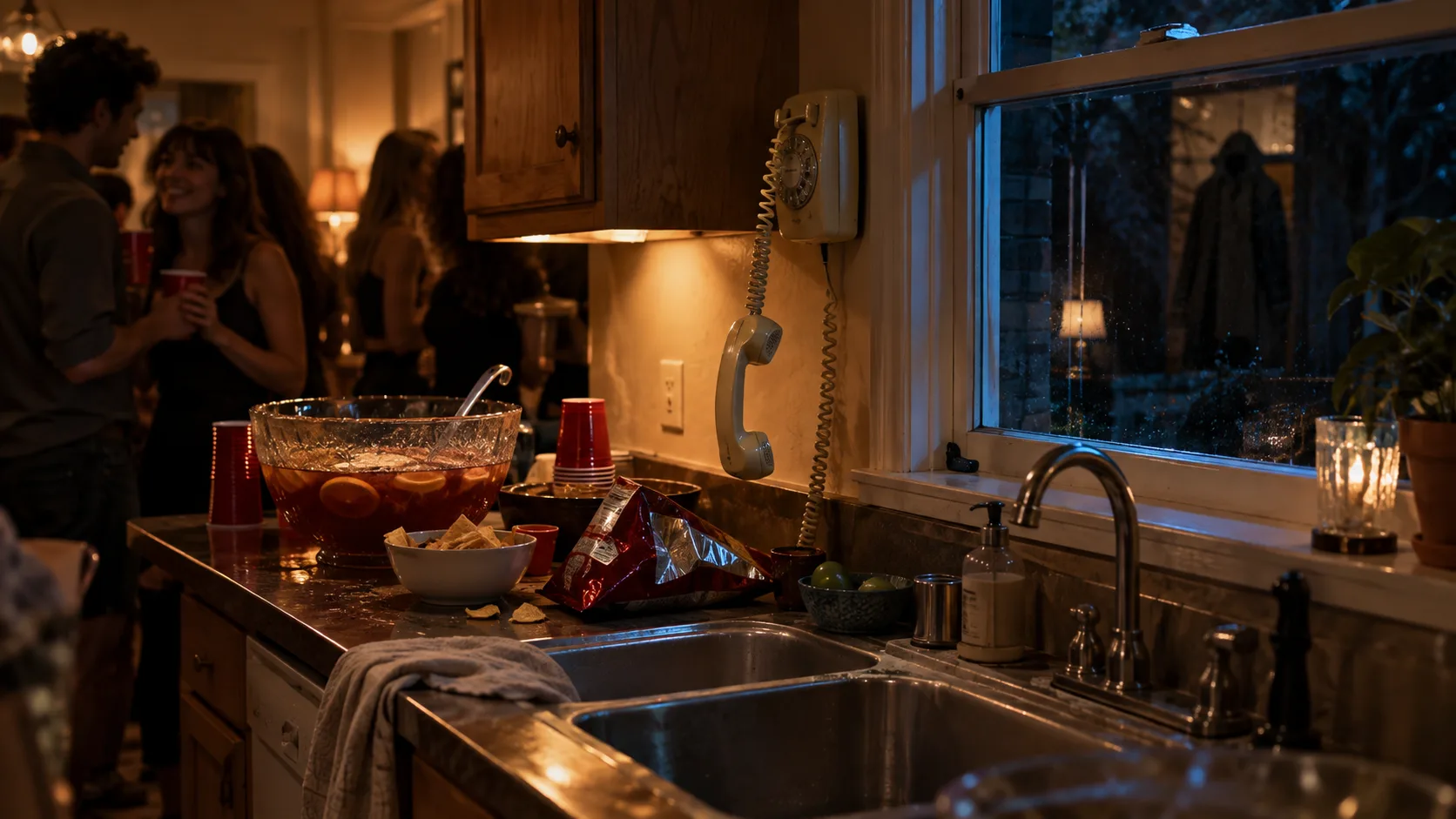
People love scary urban legends because they smuggle the worst human fears into a story that still fits between the chips and the punch bowl.
Plausible on the surface. Wrong in the basement. Always happened to a friend of a friend.
Tell them at the party. Watch someone insist their cousin’s roommate swears it is true. That is the sport.
How these stories work
The best legends, according to folklorists, borrow the shape of a cautionary news brief and then twist the knife. A few have distant cousins in real crime reports. Most are primarily fiction with local details swapped in so the tale feels like your town. Creepypasta — the internet’s overnight horror genre — sometimes sneaks onto the same list even though it was born on forums, not porch swings.
Conspiracy-curious aside: every decade’s panic finds a legend costume. Sleep experiments. Clowns. Calls from inside the house. The monster is usually us, wearing a better plot.
1) The Russian Sleep Experiment (creepypasta, not history)
Recipe for virality: 1940s setting, sealed chamber, stimulant gas, prisoners who stop sleeping and start becoming something else. Tellers claim researchers waited too long, found mutilation, and learned that madness was “inside all men.”
Salt stamp: Snopes and other fact-checkers classify this as modern creepy fiction, not a documented Soviet experiment. Versions spread online around 2009–2010 (creepypasta / forum lineage often tied to the “Orange Soda” tag). Great Halloween monologue. Terrible history homework.
2) The call is coming from inside the house
Teen babysitter. Three kids. Series of calls asking if she has checked on the children. Police finally trace the line — and urge her to get out. Classic 1960s-era American legend, later film and TV catnip.
The ending everyone remembers is the one where help arrives too late for the children upstairs. Says every party host: turn the lights down before you tell it.
3) The man with a hook for a hand
Lovers’ Lane. Radio bulletin. Escaped killer with a hook prosthesis. The girl wants to leave; the boy stalls; they drive off; a bloody hook hangs from the door handle.
Folklore notes place the Hookman family of tales in postwar U.S. culture (1950s–60s), including a famous 1960 Dear Abby airing. Moral of the oral version was often “don’t park.” Moral of the 2026 version: teenagers will always invent a better reason to be somewhere dark.
4) The clown statue
Affluent house. Babysitter unsettled by a clown “statue.” Parent panics on the phone: we don’t own a clown statue — grab the kids and get out. Police later find a person in costume who had been living in the house.
Intruder-in-plain-sight energy. Sibling to the babysitter-call cycle. Still effective because nobody trusts clown décor after midnight.
5) Dorm-room murder (“Aren’t you glad you didn’t turn on the lights?”)
Two college roommates. One studies; one parties. Partier slips into bed in the dark around 2 a.m. Morning reveals the studious roommate murdered — and a message in blood on the wall.
Campus cautionary tale cosplay. Fiction that weaponizes the choice between the library and the keg. Still gets freshmen to glance at the light switch.
6) Killer in the backseat
Woman driving alone. Another motorist flashes lights, honks, tries to get her to stop. She races home — only to learn the “aggressor” saw a silhouette with a knife in her backseat and was trying to save her.
Widely told; sometimes linked in teller lore to mid-century crime chatter. Treat parallels as storytelling spice, not a verified single origin. The structure is pure dread: the helper looked like the threat.
7) The body under the bed
Honeymooners in a Las Vegas hotel complain about a smell. Housekeeping fails. Someone lifts the mattress — and finds a corpse in the box spring.
News-adjacent cousins exist in the wild, claim the tellers, but the full “honeymoon + free lunch + box spring” package is legend assembly. Perfect for hotel hallways and people who already distrust the ice machine.
8) Buried alive
Pre-embalming-era framing. Husband insists his wife is not dead. Family buries her anyway. Dreams of clawing. Coffin opened: scratch marks inside.
Premature-burial anxiety is an old literary and folkloric fear. The great-great-grandmother version keeps it intimate. Do not confuse campfire versions with modern medical practice. Grain of salt; keep the shovel metaphorical.
9) The choking dog
Owners come home; large dog (often a Doberman) is choking. Vet visit. Phone call: get out and call the police. Search finds an intruder missing a finger — the dog had been choking on it.
Thirty-plus years of circulation in popular tellings. Efficiency horror: the pet already handled Act One.
10) Bloody Mary
Bathroom. Mirror. A name spoken into the dark. A face nobody wants to recognize. A screaming exit.
Teen ritual folklore for decades. The details change from school to school; the dare is what survives.
Ranking is a lie (and that is fine)
This is not a scientific top ten. Oral tradition does not submit to bracketology. Some tellers will swap in the vanishing hitchhiker, the kidney-theft business-trip nightmare, or the latest TikTok-born pasta and swear those belong higher. Let them. The point of a Halloween list is ignition, not canon law. If your version ends differently, congratulations: you are participating in folklore correctly.
What does matter for 2026 hosts is labeling. Creepypasta wears the costume of a leaked file. Classic babysitter tales wear the costume of a local news brief. Guests who cannot tell the costumes apart leave scared of the wrong institutions. Your job as storyteller is dread plus a wink — not accidental misinformation with marshmallows.
Party tips (still not proof)
- Label creepypasta as creepypasta so nobody leaves thinking they uncovered a declassified file.
- Keep the “friend of a friend” shrug — that is the genre’s wink.
- Pair with a silly movie after so guests remember it was a show.
Conspiracy-curious closer: urban legends are crowdsourced fear management. They teach “check the children,” “don’t ignore the weird statue,” “maybe trust the flashing headlights” — then exaggerate until the lesson grows fangs. Useful as story. Dangerous as epistemology.
Ten tales for parties and porches. Friend-of-a-friend forever. Hide the clown décor.
Sources
- Claim element: Russian Sleep Experiment as modern fiction / creepypasta (not 1940s Soviet history) — Attribution: Snopes fact check (Mikkelson); creepypasta circulation notes — Link: Snopes: Russian Sleep Experiment
- Claim element: Babysitter / man upstairs; Hookman; broader legend inventory — Attribution: Wikipedia “List of urban legends” and folklore consensus summaries — Link: List of urban legends
- Claim element: Hookman postwar U.S. / Dear Abby 1960 cultural footprint (as commonly cited in legend histories) — Attribution: Folklore overview framing — Link: Same list / legend scholarship summaries
About this article
Entertainment / folklore storytelling only. These urban legends and creepypasta summaries are presented as fiction and oral tradition, not as verified news, true-crime documentation, or instructions to imitate dangerous dares. Do not harass people, break into places, or perform risky “summoning” stunts. Grain of salt. MonstrumAthenaeum.org is for mature audiences who know a campfire story when they hear one.
Original publication credit
Original title: Scary Urban Legends: Top 10 Creepy Stories for Halloween Season. The preserved copy has no named writer credit. Originally published September 28, 2014.