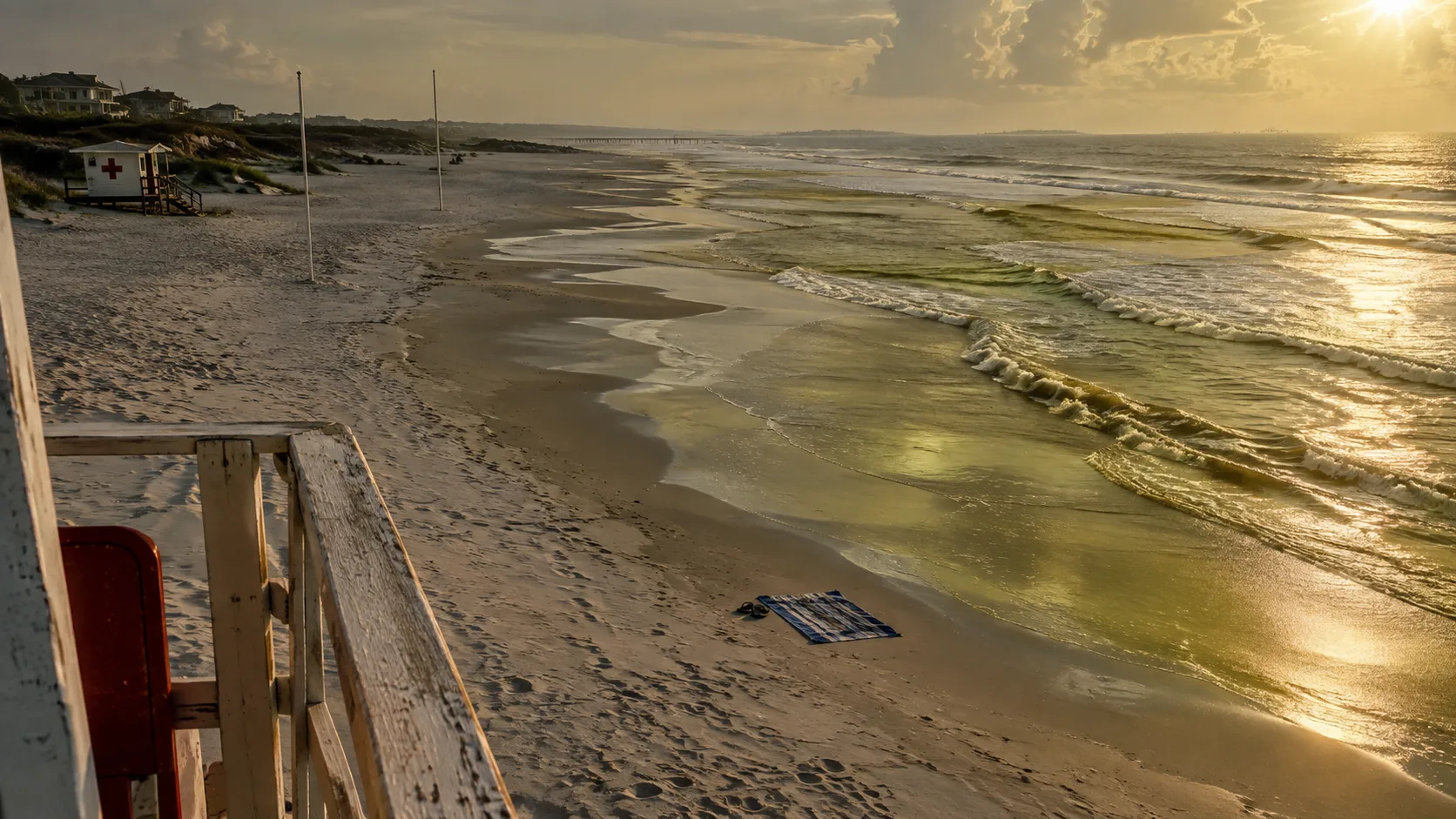
Science review Gwinnett County / metro Atlanta, Georgia (Cindy Martinez case coverage centroid); Florida beach-scare headlines as 2015 regional media context
Flesh-Eating Scare Archive: When 2015 Headlines Sounded Like Zombie Prep
Archival feature on summer 2015 flesh-eating bacteria headlines—Cindy Martinez’s case, beach-scare coverage, and Athenaeum’s dated zombie metaphor. Salt required.

Sign in to save stories to your shelf.
Original Athenaeum reporting date: July 29, 2015.
Summer 2015 had a particular flavor of dread: not shambling corpses on cable, but necrotizing infections in the crawl of local news — the kind of story that makes a scratch on a shin feel like an opening scene.
On July 29, 2015, Monstrum Athenaeum published a short, hypersensational question: were “zombie-like” bacterial infections a sign of something worse coming? The piece leaned on then-current headlines about flesh-eating bacteria, a Georgia woman’s catastrophic hospitalization, and beach-goer warnings circulating in Florida/Georgia media weather.
This 2026 package archives that moment. It does not reissue a beach advisory. It does not claim a current outbreak status. It does not offer lab, treatment, or “how the bug works” guidance. Entertainment desk. Dated panic. Salt on the rim.
The medical monster with a movie nickname
According to period coverage (Fox News health desk, USA Today, regional Georgia outlets, People), Cindy Martinez — a Georgia mother and former Marine — entered emergency care in early June 2015 with severe shoulder pain. Reporting at the time described a rapid cascade: bacterial infection progressing into a surgical fight for life, and ultimately multiple amputations — later reporting described the loss of both legs below the knees and part of an arm — as clinicians battled what popular headlines branded flesh-eating bacteria.
Doctors and reporters used clinical language alongside the tabloid nickname. The public heard the nickname louder.
The 2015 Athenaeum piece framed Martinez’s ordeal as the human face of a scare cycle: rare, brutal, visually “zombie-adjacent” in the worst way — not because patients become undead predators, but because the infection itself was described as consuming living tissue. That metaphor was the editorial hook. It was never a species claim.
Husband David Martinez’s interviews in period coverage — describing a previously strong, healthy partner and a hospital stay that kept stretching — gave the scare its domestic gravity. Tabloids know gravity sells. So do monster desks, if they are honest about the difference between empathy and prophecy.
Local Georgia patch reporting tracked the same ordeal as a community story before national tabs amplified the amputation beat. That pipeline — local agony to national metaphor — is how “flesh-eating” becomes seasonal folklore even when clinicians are doing ordinary emergency medicine under fluorescent lights.
Grain of salt: Necrotizing soft-tissue infections are real medical emergencies discussed in ordinary public-health language. They are not cinematic zombie plagues. Athenaeum is not your physician.
Beach scare weather (then, not now)
The July 2015 article also nodded at Florida tourist-beach warnings then bouncing through local TV and wire recaps — the seasonal dread package where warm water, wounds, and rare severe infections share a headline.
Archive rule: those were 2015 media warnings and case clusters as reported then. This refresh does not verify or restate any present-day beach status, bacterial counts, or travel advice. If you need current guidance, you talk to public-health authorities and clinicians — not a cryptid desk rewriting a decade-old metaphor.
Scientists in the original piece’s framing (as the Athenaeum summarized the public conversation) often pointed at the banal truth that bacteria are everywhere and severe outcomes remain uncommon relative to beach traffic. The Athenaeum’s 2015 voice answered with conspiracy-curious unease: if origins feel fuzzy to a scared public, imagination fills the blank with apocalypse.
Imagination is not epidemiology.
The original also floated a dark joke America already knew from cable: we are not becoming zombies that hunt neighbors; the nightmare, in these headlines, is tissue loss, amputation, disfigurement. That inversion — prey to infection rather than predator after death — is why “zombie bacteria” headlines keep winning auctions for attention. They borrow the apocalypse brand without needing a walking corpse.
What the 2015 Athenaeum got right — and what it overclocked
Right, as entertainment climate reporting: headlines about flesh-eating infections punch above their statistical weight. Amputation stories stick. “Zombie” is the culture’s favorite infection metaphor. Georgia and Florida summer newsrooms knew that.
Overclocked: implying a mysterious “sign of what’s to come” without dated caveats can read, years later, like a live prophecy. The hard ban for this refresh is clear — archival historical framing only; no synthesis talk, no enhancement talk, no weaponization cosplay, no “it’s starting” present tense.
So the 2026 read is colder:
- A real patient ordeal hit national tabs in June–July 2015.
- Beach-scare copy rode the same news river.
- Athenaeum filed a dated monster-metaphor essay on July 29, 2015.
- That essay is a historical predecessor. This text is new.
Why the metaphor refuses to die
Every few summers, a severe infection story reboots the same cultural software. Cable chyron writers reach for “flesh-eating.” Comment sections reach for “zombie.” Preparedness blogs reach for collapse fanfic. The Athenaeum’s 2015 filing sat in that weather system and admitted the weather — then asked whether nature itself was racing disease processes against human survival fantasies.
That race-language is classic hypersensational Athenaeum cadence. It is also exactly the language this refresh cages in a date stamp. Nature is not a Marvel phase. A single patient’s fight is not a season finale.
Archive posture for searchers
If you landed here because a SERP title whispered “zombie bacteria,” understand the assignment: media panic archaeology. The fear was culturally sticky. The medicine belongs to hospitals and health departments. The mythology belongs to late-night scrolling.
We will not invent case counts, closure narratives, or “scientists still don’t know” claims beyond what period reporting already said in public. We will not tell you how to culture anything. We will not map a secret origin story onto a wound infection. We will not imply an active warning for any shoreline.
Grain of salt: No verified zombie pathogen. No Athenaeum claim that 2015 headlines predicted a civilization-ending contagion. Tragedy is not a trailer. Hold the salt. Respect the patient. Archive the panic.
Sources
- Claim element: Historical predecessor (2015-07-29) — Attribution: Monstrum Athenaeum original — Link: Zombie-like bacterial infections
- Claim element: Cindy Martinez hospitalization / amputations (June 2015) — Attribution: Fox News health; USA Today; People period coverage — Link: Fox · USA Today · People
- Claim element: Regional Georgia case framing — Attribution: Patch / local Georgia reporting — Link: Patch
About this article
Entertainment / historical media-panic commentary only — not medical advice, diagnosis, treatment guidance, public-health advisories, or pathogen instruction of any kind. Flesh-eating infection references are archival news-cycle summaries of publicly reported 2015 cases and headlines. Do not interpret this as a current beach warning or outbreak claim. This 2026 article is a brand-new legacy refresh; the 2015 URL is a historical predecessor, not a prior publication of this text. If you have a medical emergency, seek clinical care. MonstrumAthenaeum.org is for mature audiences who can tell a metaphor from a lab result.
Original publication credit
Original title: Zombie Like Bacterial Infections A Sign of What’s To Come?. The preserved copy has no named writer credit. Originally published July 29, 2015.